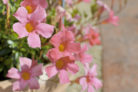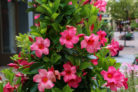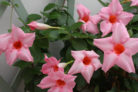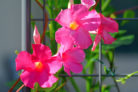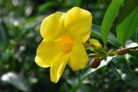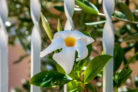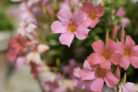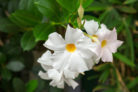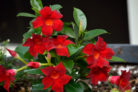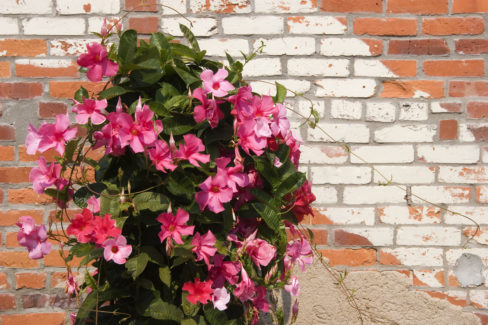
Dipladenia (also known as Mandevilla) is a total rockstar in the world of long-blooming plants. Besides those gorgeous, showy flowers, these plants are incredibly versatile. Depending on the variety, they can climb, trail, or grow upright, making them a fantastic choice for hanging baskets.
Choosing the Right Varieties for Your Hanging Basket
When you’re shopping for Dipladenia for your balcony or patio, you’ll find a ton of options—not just in different colors, but in growth habits too. The most common types are climbers or twiners. Since those vines can reach up to 15 feet long, they aren’t exactly ideal for a hanging pot unless you want them taking over your porch!
For a beautiful hanging display, you’ll want to look for Mandevilla varieties with these specific growth habits:
- Upright/Compact
- Trailing or Semi-trailing
Most of these are newer hybrids often found under brand names like “Diamantina” or “Sundaville.”
Compact Upright Mandevilla (Top Picks)
- Diamantina Jade Scarlet (vibrant red)
- Diamantina Jade Rose
- Diamantina Jade Pink
Trailing / Semi-Trailing Mandevilla (Top Picks)
- Diamantina Topaze Vermillon (red)
- Diamantina Opale Fuchsia Flammé
- Diamantina Jade White
- Sundaville Apricot
- Sundaville Red
- Sundaville Cream Pink
The Perfect Spot
Because these specific Dipladenia hybrids are bred to be tough, they can handle a location with full, blazing sun. They’ll tolerate partial shade, too, but keep in mind they won’t bloom quite as much. They also tend to get a bit “leggy” and less bushy if they don’t get enough light.
If your only spot for a hanging basket is in partial shade, don’t worry—you can still grow Mandevilla! I’d recommend going with a “Diamantina Jade” variety. While it might grow a little looser in the shade, it still maintains a nice, balanced shape.
Care Tips
One of the best things about these Mandevilla varieties is that they’re pretty forgiving if you forget to water for a day or two; they actually handle short dry spells quite well. What they *don’t* like is “wet feet.” Always make sure your pots have good drainage and that no water is sitting in the saucer or planter after a rainstorm or a heavy watering.
To keep those blooms coming all season long, you’ll want to fertilize regularly with a liquid fertilizer designed for flowering plants. Pro tip: If you want to keep things low-maintenance, just mix some slow-release fertilizer into the soil when you first plant your basket!