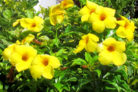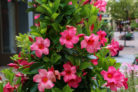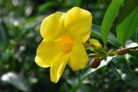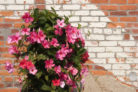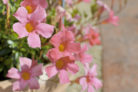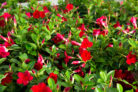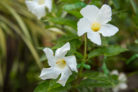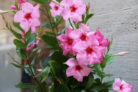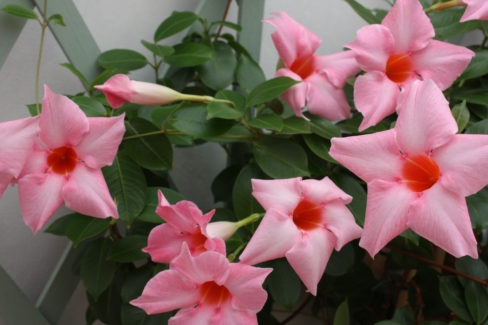
Dipladenia (also known as Mandevilla) is a total rockstar in the garden, pumping out countless blooms all summer long. Because she’s working so hard to stay beautiful, she’s got a pretty big appetite for nutrients! Since the soil in a pot can only hold so much “food,” you’ll need to step in and help her out with a regular feeding schedule.
The Best Timing
You’ll want to start fertilizing around March or April. To help your Mandevilla wake up from its winter nap, start with a light, diluted dose of liquid fertilizer. Once the plant is fully “awake” and growing, you can move into your regular routine. How often you feed her really depends on the type of fertilizer you choose.
The party winds down in late summer. By mid-August, you should start cutting back on the nutrients. This signals to the plant that it’s time to slow down its growth and bloom production. Letting the plant rest in the fall is actually the secret to getting those lush, gorgeous flowers again next year!
How Often Should You Feed?
If you’re a “set it and forget it” kind of gardener, slow-release fertilizer spikes are a great option since they provide a steady stream of nutrients over time. Otherwise, you can use a standard fertilizer every one to two weeks. Just a heads-up: Mandevilla laxa (Chilean Jasmine) and other climbing varieties on your balcony are hungrier than the compact versions you see in window boxes. I recommend feeding those climbers weekly to keep them happy.
Choosing the Right Fertilizer
If you’re repotting your plant, that’s the perfect time to mix some slow-release fertilizer directly into the soil. This gives your Dipladenia a fantastic head start, keeping it fed for the first four to six weeks of the season. Good options for mixing in include:
- Compost
- Peat
- Slow-release balcony flower fertilizer
For the rest of the season—or if you aren’t repotting this year—any of these will do the trick:
- High-quality container plant fertilizer
- Standard flower fertilizer
- Regular liquid fertilizer
The main thing to remember is consistency! Keep up with a regular schedule so your Dipladenia has all the fuel it needs during its peak blooming season.