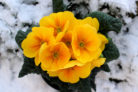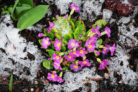
Most folks treat primroses like annuals, tossing them once the blooms fade, but here’s a little secret: the vast majority of these beauties are actually perennials! They’re tougher than they look, though the winter months can be a bit of a hurdle for them. If you want your primroses to bounce back next year, here’s how to get them ready for the big chill.
Most Primroses are Tougher Than Frost
Believe it or not, many primrose species are hardy down to -20°F! These varieties originally hail from Northern Europe and Asia, and their hybrids are just as resilient, no matter where you’ve decided to plant them in your garden. If you’re growing popular favorites like English primroses, cowslips, or even hardy cyclamen (which are part of the same family), you don’t need to stress too much. You really only need to step in if the temps drop past their breaking point. That said, no primrose is going to complain about a cozy “blanket” of brushwood or straw if you want to play it safe.
The Flowers are the Delicate Part
While the leaves and roots are pretty rugged, the flowers themselves aren’t exactly fans of the frost. In fact, the blooms can start to freeze once it hits about 23°F. Since primroses love to show off their colors as early as January, they often run into these icy conditions. If you want to keep the blossoms looking gorgeous throughout the blooming season, just cover them briefly with some newspaper or brushwood during a cold snap—but make sure to uncover them once the sun comes out!
Tropical Travelers Need Extra Love
Not all primroses are built for the cold. Varieties like the German Primrose (Primula obconica) come from tropical regions in China and are pretty much helpless against a snowy winter. To help them overwinter safely, you’ll need to bring them inside to a bright, frost-free spot that stays between 50-60°F. A cool basement or a drafty stairwell usually works great, as long as there’s some fresh air.
These tropical types should move indoors around late September and stay there until the last frost has passed. If you’re keeping primroses in the house, pick the coolest room you have to keep them healthy. If they’re currently in your garden beds, you’ll need to dig them up and pot them before the first freeze.
Quick Tip:
If your indoor winter spot is warmer than 60°F, make sure to water them more frequently so they don’t dry out!
Prepping Potted Primroses for Winter
If your primroses are hardy, they don’t necessarily have to come inside. Let’s be honest—most of us don’t have extra rooms with perfect lighting and temps to spare! If you want to leave your potted primroses outside, here’s how to winterize them:
- Stop fertilizing in the fall.
- Snip off any withered leaves or old flower stalks.
- Wrap the pot in bubble wrap or garden fleece to protect the roots.
- Move them to a spot that’s shielded from the wind.
- On particularly icy days, throw a light cover over the foliage.