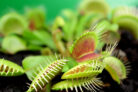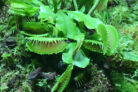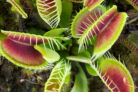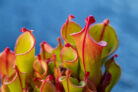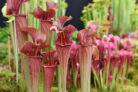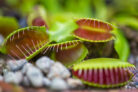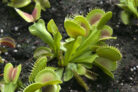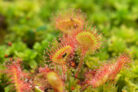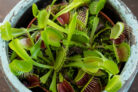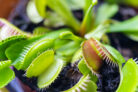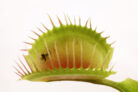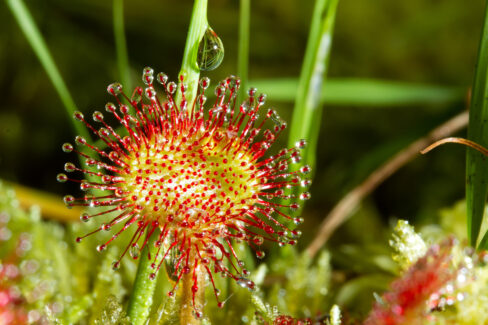
There are about 1,000 different species of carnivorous plants worldwide, and believe it or not, 15 of them are actually native to Germany! These fascinating plants differ mainly in the clever ways they’ve evolved to trap their prey.
Common Species at a Glance
Almost all carnivorous plants are protected worldwide because they require very specific, fragile habitats to survive. Exporting them is strictly forbidden, which is why any plant you buy at a garden center is a nursery-grown cultivar. Even the native species are under strict protection—so definitely don’t go digging them up from the wild!
Here are the most common genera you’ll run into:
- Butterworts
- Tropical Pitcher Plants
- Cobra Lilies
- North American Pitcher Plants
- Sundews
- Sun Pitchers
- Venus Flytraps
- Albany Pitcher Plants
Even though these groups are widespread, only a handful of specific varieties are commonly available for us to grow at home. Let’s take a closer look at the favorites.
Butterworts (Pinguicula)
- Botanical Name: Pinguicula
- Family: Bladderwort family (Lentibulariaceae)
- Species worldwide: About 102
- Range: Northern Hemisphere (mostly), Africa, Central and South America; absent in New Zealand and Australia
- Native to Germany: Pinguicula alpina, Pinguicula vulgaris
- Trap type: Sticky flypaper traps
- Preferred habitat: Nutrient-poor soil, acidic peat bogs, or rocky crevices
The Butterwort you’ll most likely find at the store usually sports pale violet flowers. These are often varieties from the US, which—unlike the hardy German species—can’t handle a frost.
When it comes to propagating Butterworts, they don’t just rely on seeds. They also produce tiny “brood bulbs” underground shortly after flowering, making them super easy to propagate by division.
Sundews (Drosera)
- Botanical Name: Drosera
- Family: Sundew family (Droseraceae)
- Species worldwide: About 200
- Range: Worldwide, but mostly concentrated in Australia, South America, and Africa
- Native to Germany: Drosera anglica, Drosera intermedia, Drosera rotundifolia
- Trap type: Sticky tentacle traps
- Preferred habitat: Wet, nutrient-poor, acidic soil; they love lots of sun!
Sundews used to be a staple in folk medicine. Unfortunately, because they live in very specific spots like bogs, moors, and swamps, over-harvesting nearly wiped them out. Thankfully, native populations have stabilized lately thanks to protected conservation areas.
Tropical Pitcher Plants (Nepenthes)
- Botanical Name: Nepenthes
- Family: Pitcher plant family (Nepenthaceae)
- Species worldwide: About 200
- Range: Tropical and subtropical regions, mainly Indonesia, the Philippines, and Malaysia
- Trap type: Pitfall traps (the “pitcher”)
- Preferred habitat: Hot, humid lowland areas
These guys are the icons of the tropical rainforest. Because the rainforest is so vast and dense, botanists are actually still discovering and naming new species of Nepenthes all the time!
Venus Flytrap (Dionaea)
- Botanical Name: Dionaea
- Family: Sundew family (Droseraceae)
- Species worldwide: Only 1 species (Dionaea muscipula)
- Range: Exclusively in North and South Carolina, USA
- Trap type: Snap traps
- Preferred habitat: Sunny spots that stay consistently wet
Even though there is only one single species of Venus Flytrap in the entire world, it is hands-down the most popular carnivorous plant on the market. Thanks to dedicated breeders, you can find all sorts of cool visual variations today, like plants with deep red leaves or extra-large “teeth.”