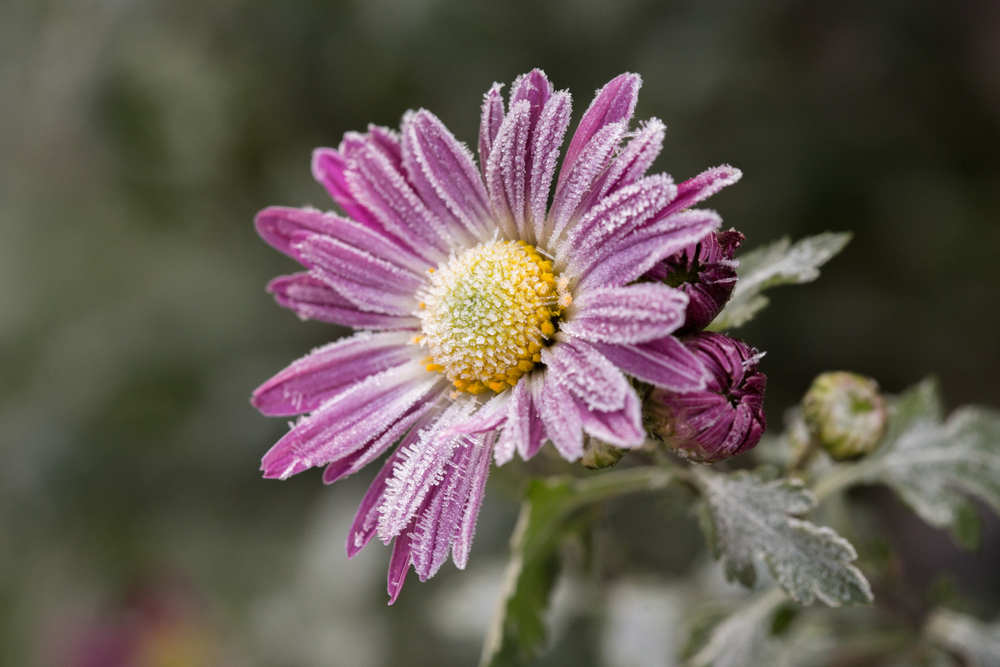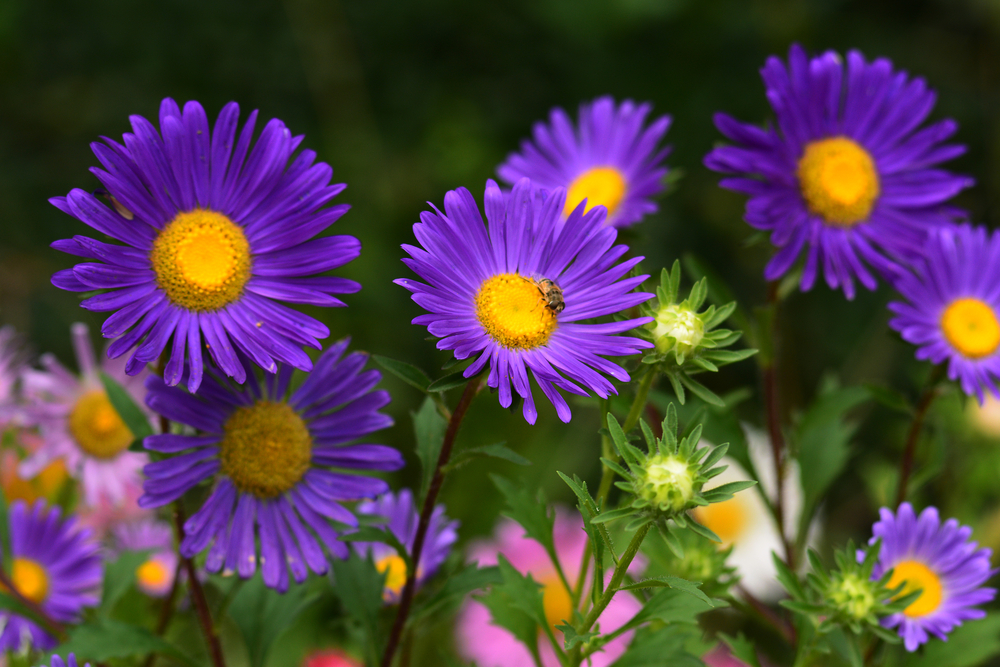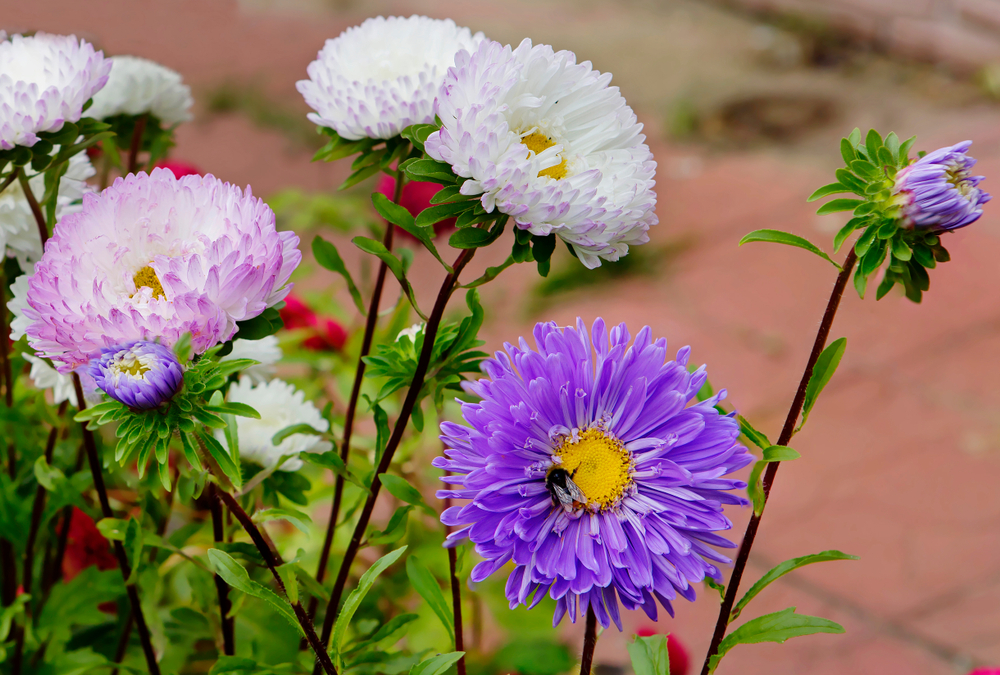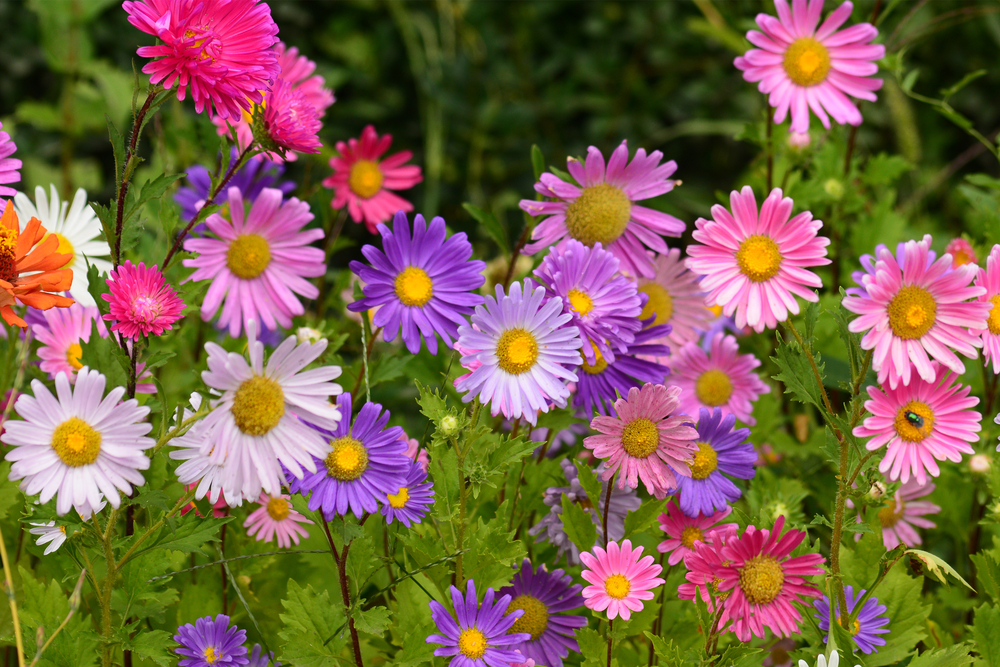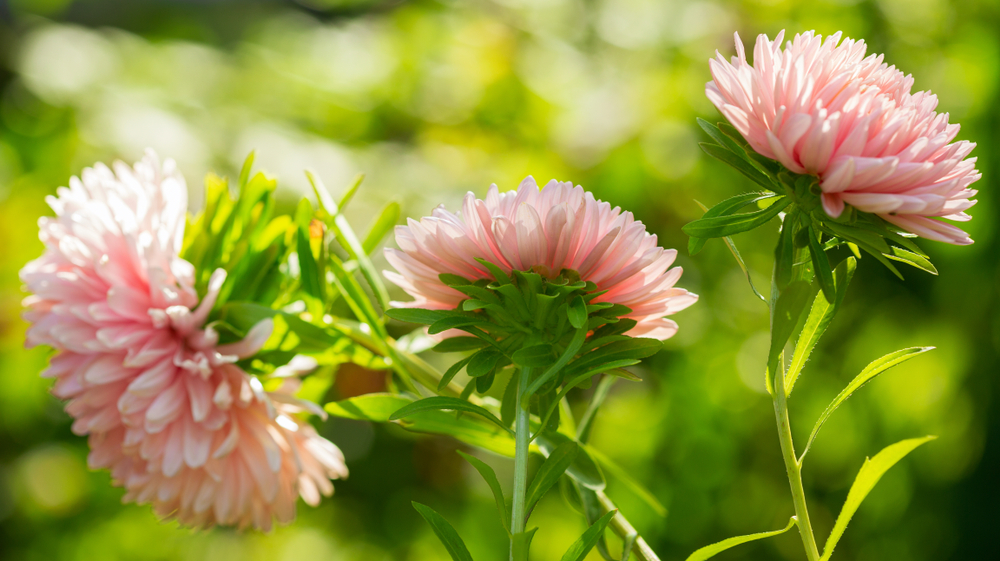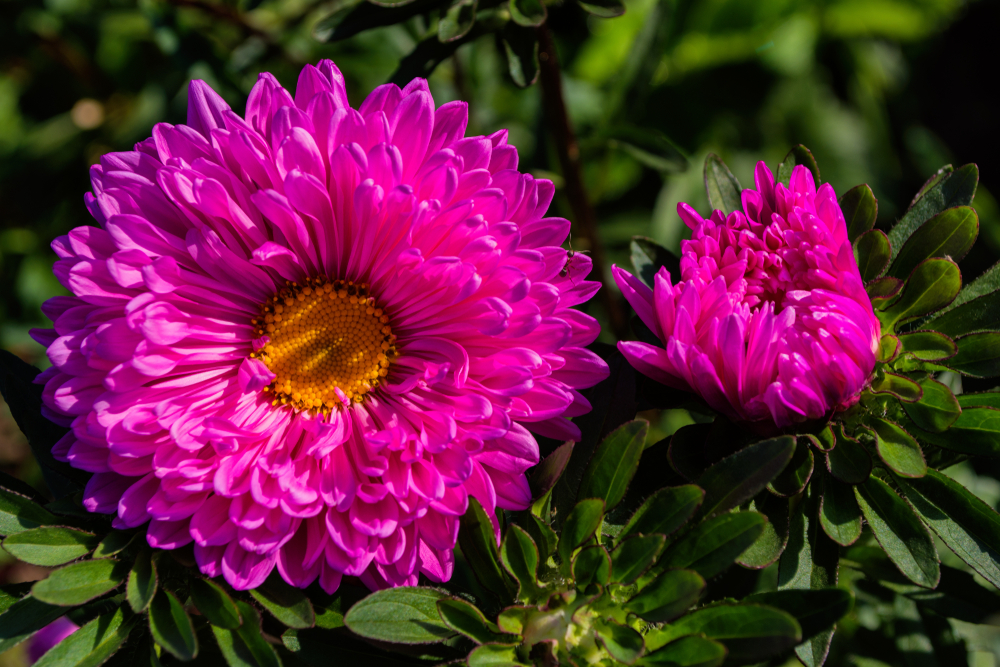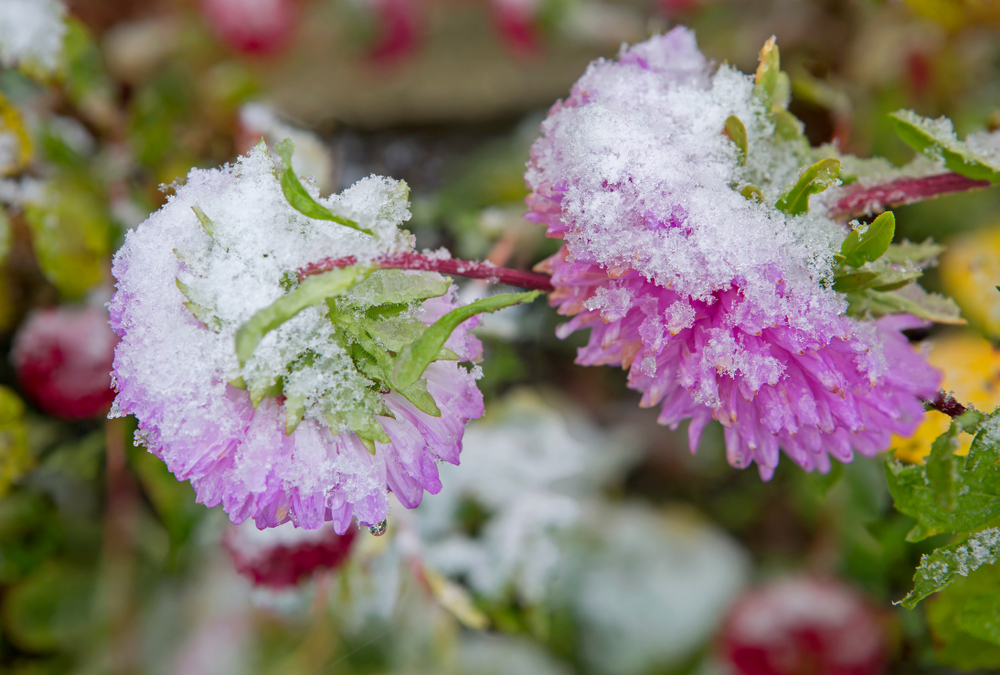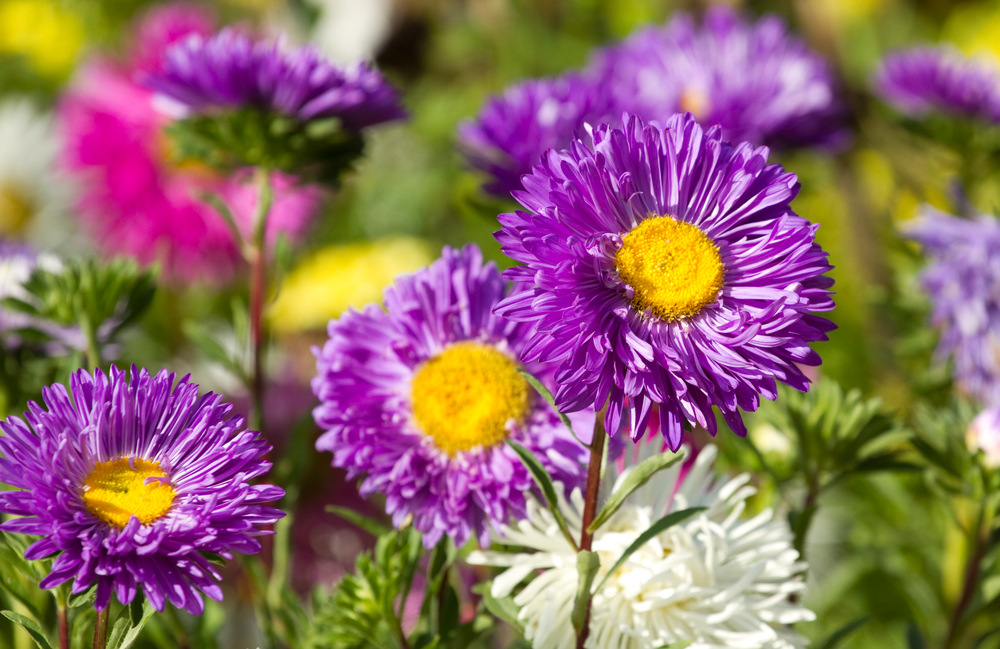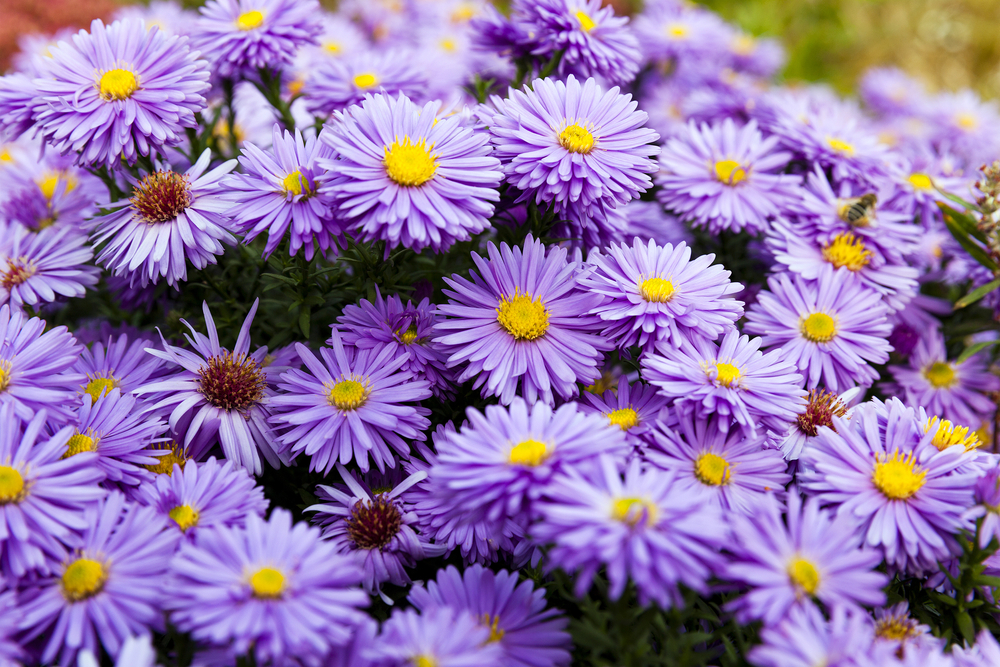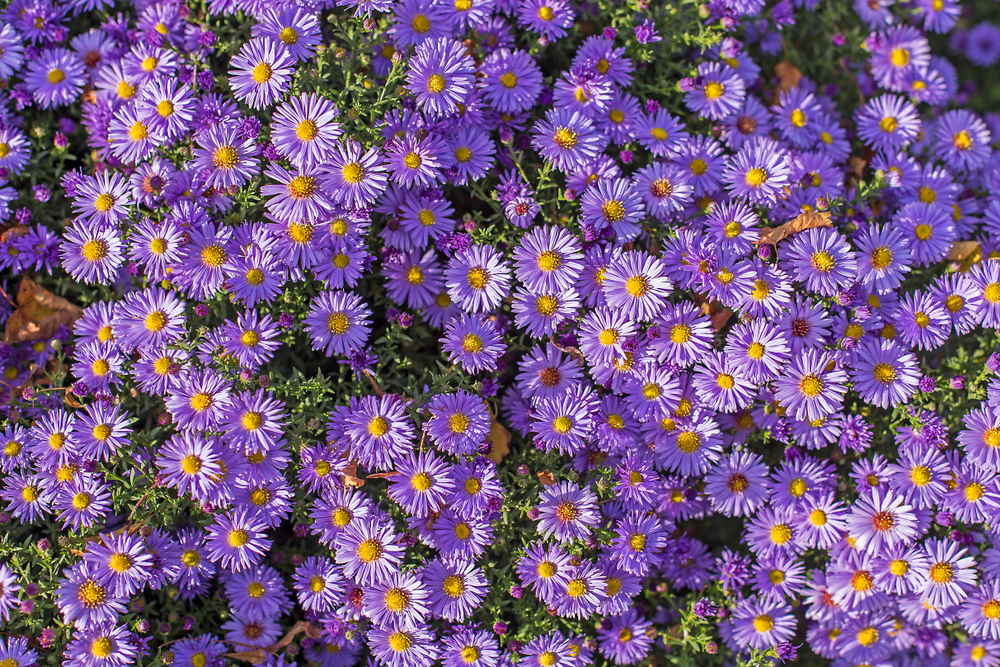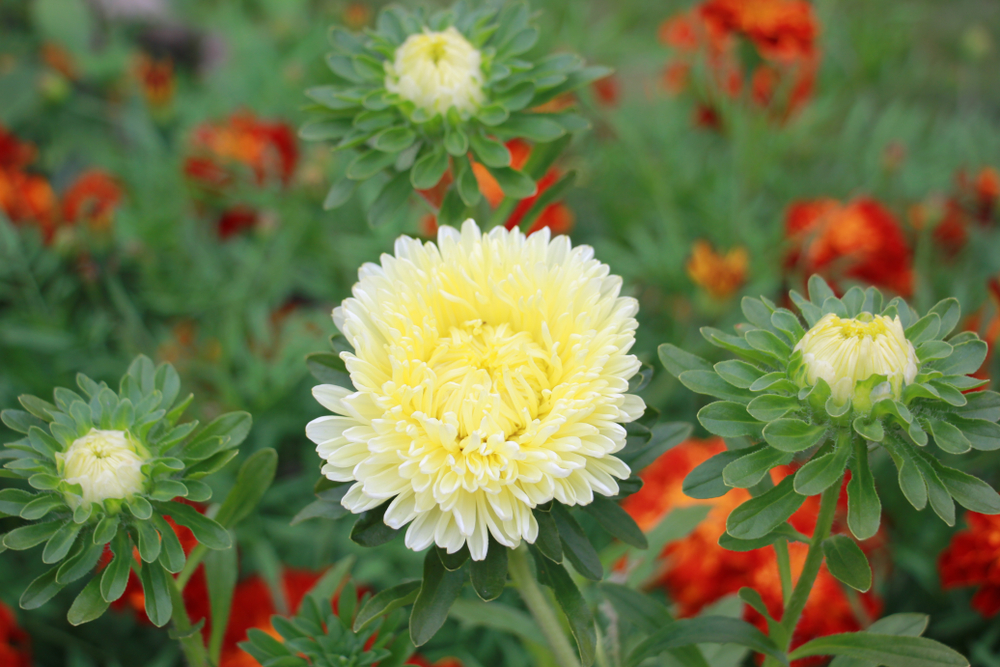
Asters are the absolute stars of the garden, turning into lush, flower-filled bushes that brighten up any border. Generally, we group them by when they bloom: spring, summer, and fall. While these plants are usually pretty tough and fast-growing, here’s the catch—not every variety can handle a cold winter. If you’re looking for perennials that will come back year after year, you’ll want to do a little homework on the specific species first.
Summer Asters (The Annuals)
First off, let’s talk about Summer Asters. These beauties are actually annuals, meaning they won’t survive the winter. You’ll want to start seeds indoors in March or sow them directly in the garden come May. They put on a spectacular show from August through late October. Once the blooming season ends, you can collect the seeds for next year, but the mother plant will dry up and die off. Because they don’t develop hardy root structures to survive the cold, they put all their energy into those gorgeous, oversized blooms instead.
Spring and Fall Asters (The Perennials)
Unlike their summer cousins, these types have specialized underground rhizomes that act like survival kits for freezing temperatures. These roots grow deep enough to stay tucked away from the frost. When you’re shopping at the nursery, you’ll often see a “Hardiness Zone” (Z) listed on the tag. Here are some fan-favorite winter-hardy asters:
- New England Aster: Zone 2 (hardy down to -45°F)
- New York Aster: Zone 2 (hardy down to -45°F)
- Michaelmas Daisy/Dwarf Aster: Zone 3 (hardy down to -40°F)
- Heath Aster: Zone 3 (hardy down to -40°F)
- Asian Wild Aster: Zone 7 (hardy down to 0°F)
Spring-Blooming Asters
Yes, there are early bloomers too! Varieties like ‘Wartburgstern’ (Alpine Aster) are super hardy and start showing off their light violet star-shaped flowers as early as May. As long as they have a sunny spot and nutrient-rich soil, they’ll thrive and breeze through the winter. The classic perennial Alpine Aster is another great choice for early-season color.
Winter Care Tips
Even if your asters are “hardy,” a little extra TLC goes a long way. First rule of thumb: don’t prune them back in the fall! Leave the dead foliage alone until spring; it acts as a natural blanket for the root ball. I also like to add a layer of compost for nutrients, followed by some evergreen branches or brush for extra insulation.
If you’re growing asters in pots, you need to be a bit more careful. While the plant itself might be hardy, if the root ball in the pot freezes solid, it’s game over. Try moving the pot to a frost-free spot, or at least lift it off the cold ground with wood or styrofoam and wrap the container in bubble wrap or garden fleece.