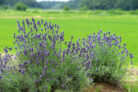
Lavender is actually pretty low-maintenance, but there is one golden rule you shouldn’t skip: give it a good trim once a year. If you let it go, your lavender can become “woody.” Here’s a look at why that happens and exactly what you should do about it.
Woody lavender means fewer blooms
As lavender gets older—or if it hasn’t been pruned correctly—the plant starts to get woody. This means the lower stems turn into hard, stiff wood, and the plant stops producing those soft, green new shoots. Since lavender blooms usually grow on that fresh new growth, a woody plant won’t give you nearly as many flowers. To keep your lavender looking lush and vibrant, you’ve got to step in.
You can give your plant a fresh start with a rejuvenation prune. However, be careful! Unlike some other garden plants, lavender doesn’t handle a “radical” chop very well. Whatever you do, don’t cut back into the old, hard wood. If you go too deep into the woody part, the plant might not be able to sprout new growth at all.
How to give your plant a boost
When lavender gets woody, it often starts looking a bit “leggy” or bare at the bottom. Sometimes, the few green stems left are too weak to support their own weight, causing the whole bush to split open or flop over. It’s not the prettiest look, but don’t worry—you can fix it.
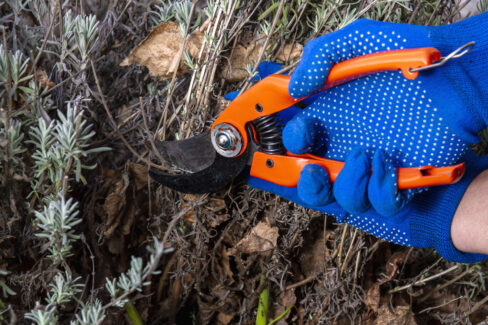
Here is how to handle the pruning:
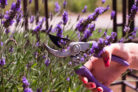
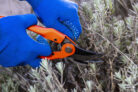
- Grab a pair of sharp gardening shears and make sure they’re clean.
- Trim back the soft, green shoots by about one-third.
- Completely remove any branches that are totally dead or dried out.
- Give the rest of the plant a light “haircut” to keep a nice, rounded shape.
Once the lavender blooming season is over, it’s time for another round of pruning. Do this as soon as the flowers have faded. A quick tip: try to get this done by mid-August at the latest. If you wait too long, the plant won’t have enough time to harden off and prepare for the winter chill. Trust me, your lavender will thank you next spring!