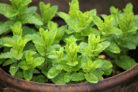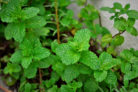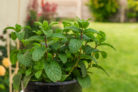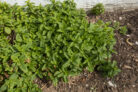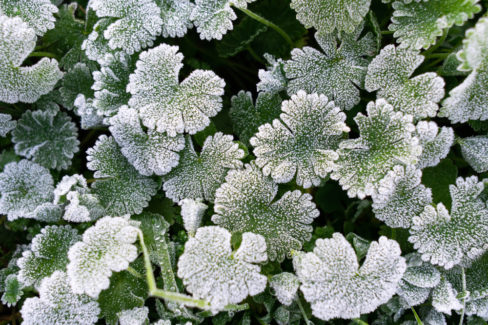
You’ll find a ton of different mint varieties at the garden center these days, coming from all corners of the globe. Because they hail from different climates, they don’t just look and taste different—their “toughness” varies, too. The good news? Almost all of them are perennials. While some are hardier than others, there’s nothing a little winter prep can’t handle.
Not all mints handle frost the same way
There are about 30 different mint species that grow as perennials. However, their tolerance for freezing temperatures is all over the map. This doesn’t mean you can’t plant them in your garden beds, but it does mean some varieties need a little extra TLC from you to make it through the cold months. Before you buy, it’s a great idea to check the hardiness zone of the specific variety. A little research goes a long way in ensuring your mint survives the winter and comes back lush and green next year.
The “tough as nails” hardy varieties
If you want a plant that can pretty much take care of itself, these popular varieties are known for being exceptionally winter-hardy:
- Apple Mint
- Strawberry Mint
- Moroccan Mint
- Peppermint
- Russian Mint
- Water Mint
These guys can usually handle a typical winter outdoors without much help. That said, even the toughest plants appreciate a little shelter from the harshest deep freezes.
Pro Tip:
If you’re looking for the absolute champion of winter hardiness, go with Lemon Mint (Monarda citriodora). Just be careful not to confuse it with the super-popular Lemon Balm!
Protecting the sensitive types
For mint varieties that are a bit more sensitive to the cold, you’ll want to give them a “blanket” in the fall. Start by cutting all the stems down close to the ground, then cover the area with brushwood, evergreen branches, or a thick layer of dry leaves. You can clear this mulch away once spring arrives. If you’ve fallen in love with a very delicate variety, your best bet is to grow it in a container so you can move it if things get too icy.
Container plants need extra love
You can absolutely grow mint in pots, but keep in mind that container plants are much more vulnerable to frost. Even the hardiest varieties can struggle when the root ball is exposed to freezing air from all sides of the pot. Ideally, you should move your potted mint to a protected winter spot—like a cool, frost-free garage or shed. Avoid bringing them into a warm living room, though; they still need that winter rest!
If your potted mint has to stay outside, here’s how to keep it safe:
- Prune all stems back to soil level.
- Cover the soil with plenty of brushwood or mulch.
- Wrap the pot itself in bubble wrap, burlap, or garden fleece.
- Place it in a spot shielded from wind and heavy rain.
Pro Tip:
Here’s a clever trick for overwintering potted mint: Before the first hard frost, simply sink the entire pot into a hole in your garden soil. The earth will insulate the roots perfectly. Just dig the pot back up when you see new growth starting in the spring!