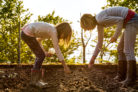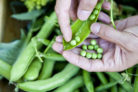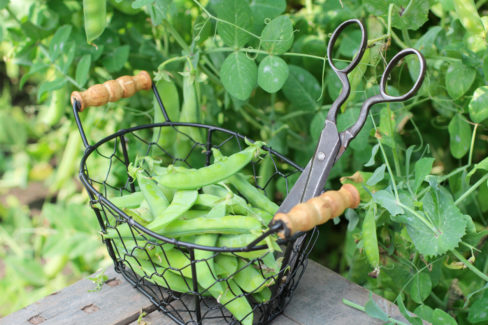
Sure, you can grab a bag of frozen peas at the grocery store any day of the week, but nothing beats the sweet, crisp snap of a pea you just picked from your own backyard. If you’re looking to get your hands dirty, keep in mind that the homegrown pea season usually kicks off as we head into summer.
Spring Planting Basics
Generally, you can start sowing your peas directly into the garden around April. This usually leads to a harvest starting in June, and depending on the variety, you might be picking pods all the way through September or October. Just a heads-up: some varieties are “one and done”—they put all their energy into that first harvest and then stop producing. If your plants look spent, don’t be afraid to pull them out and sow a fresh round of seeds!
If you’re impatient (like I am!) and want to harvest earlier than June, you can start your peas indoors as early as March. A pro tip? Use sections of old rain gutters filled with soil. Once the seedlings are ready, you can just gently slide the whole row into a prepared trench in your garden. It’s way easier than transplanting tiny individual seedlings!
I wouldn’t recommend other indoor methods for peas, though; it’s usually too much work for the yield you get. The only exception is if you’re growing a very rare or special variety specifically to save the seeds.
Early Harvests with the Right Varieties
Plant breeding has come a long way, and we now have “winter peas.” You sow these in the fall, and with just a little bit of protection, they’ll chill in the garden all winter long. The big payoff? You get to harvest your peas much earlier in the spring.
Typically, winter peas are ready to pick about 14 weeks after sowing. The tricky part is the timing—knowing exactly when to plant your peas in the fall can be a bit of a guessing game. If you plant too early, they get too big before the cold hits and might suffer frost damage. If you plant too late, you’ll be waiting longer for those first pods.
Beat the Pests by Starting Early
Even though modern varieties are bred to be tough, peas can still fall victim to pests and diseases. One of the biggest headaches is powdery mildew, which loves to show up in the fall. When the days are still warm but the air gets damp and humid, it’s the perfect breeding ground for fungus.
By starting your peas early in the season, you aren’t just getting a head start on snacking—you’re also ensuring your plants finish their production cycle before the autumn mildew has a chance to move in. It’s a win-win for you and your garden!