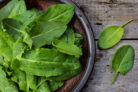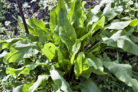
Wild plants are everywhere in nature, just waiting to be discovered, and they’re packed with way more nutrients than most store-bought greens. For ages, our ancestors relied on foraging, passing down their plant wisdom through the generations. Unfortunately, as life got more industrial, a lot of that “edible wild plant” knowledge started to fade away.
Foraging in the Wild
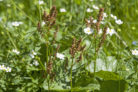
By harvesting your own wild plants, you can whip up and enjoy unique flavors you won’t find on any grocery store shelf. If you’re out exploring, you can usually find sorrel from March all the way through October, depending on the weather. Just a heads-up: make sure you know exactly what you’re looking for so you don’t mistake it for something else!
Harvesting from Your Own Garden
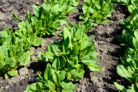
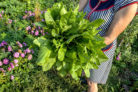
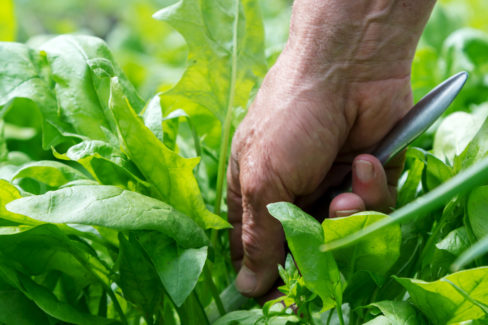
If you’ve decided to grow sorrel in your own backyard, you won’t have to wait long to start picking. If you sow your seeds in the spring, you’ll be ready to harvest by June. If you plant in the fall, you’ll have to wait until the following year. As soon as those first young, tender leaves pop up, they’re ready to go. You can keep picking fresh leaves right up until the start of winter. Just pluck individual leaves carefully, making sure not to damage the center “heart” of the plant so it keeps growing.
Harvest Guide for Common Sorrel (Rumex acetosa)
- Leaves: March to October
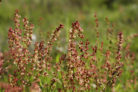
- Flowers: April to May
- Seeds: August to October
- Roots: September
Harvest Guide for Mountain Sorrel (Rumex arifolius All.)
- Leaves: April to July
- Seeds: August to October
Where to Avoid Harvesting
You’ll often see sorrel growing along roadsides, but definitely skip those spots! These plants are usually soaked in pollutants from traffic. As a general rule of thumb, stick to the young, bright green, fresh leaves—they’re the tastiest and easiest on the stomach. If you see leaves turning red, that’s a sign of high oxalic acid levels, so it’s best not to eat those. Also, always double-check the underside of the leaves to make sure you haven’t confused it with Lords-and-Ladies (Arum maculatum), which is toxic.