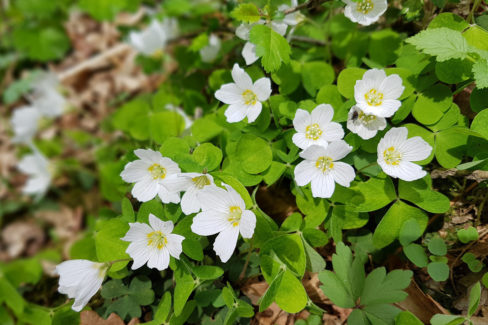
Ever looked at wood sorrel and thought, “Ugh, another weed to pull”? If so, it’s time for a little perspective shift! This little plant, which pops up everywhere from deep forests to your own backyard, is actually a powerhouse of natural wellness. Here’s how you can tap into its benefits by making your own wood sorrel juice.
What Wood Sorrel Can Do for You
To keep things simple, let’s focus on the heavy hitters. If you really want to dive deep into the world of herbalism, I highly recommend picking up a comprehensive plant guide—it’s a game-changer for any home gardener. In the meantime, wood sorrel is traditionally used to help with:
- Skin issues (rashes, sores, or acne)
- Gallstones
- Kidney and liver support
- Digestive troubles and heartburn
- Getting rid of internal parasites (worms)
Depending on what you’re treating, you might drink the juice cold or warmed up. Just make sure to do a little homework on the specific prep for your needs before you start your regimen.
Foraging for Wood Sorrel
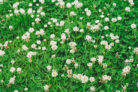
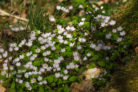
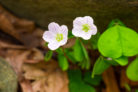
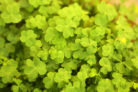
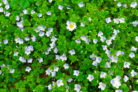
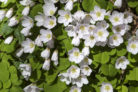
You won’t find fresh wood sorrel in the produce aisle at the grocery store, but nature is full of it! It loves shady spots and forests. Most of us recognize those classic heart-shaped clover-like leaves immediately. You’ll usually see white or pink flowers starting in April, while the yellow-flowered variety (creeping wood sorrel) shows up a bit later. If you want to be 100% sure which variety you’ve found, a good field guide is your best friend.
Actually, you might not even have to leave your property. Wood sorrel loves to move into cultivated gardens. Many gardeners consider it a stubborn weed because it spreads so fast and is tough to get rid of. But hey, if you’re planning on making juice, that “weed” is suddenly a free harvest!
Pro Tip:
Even if you’re feeling 100% healthy, don’t ignore this plant. All parts of the wood sorrel are edible and make a great addition to your kitchen. It has a bright, lemony, refreshing zing that’s perfect for salads.
Keep it Clean
When you’re foraging for food or medicine, purity is key. Avoid picking plants near busy roads where exhaust fumes settle. And if you’re harvesting from your own garden, make sure the area is chemical-free. A little dirt is no big deal—you can wash that right off—but you definitely want to avoid pesticides.
How to Make Your Own Wood Sorrel Juice
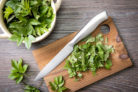
You’ll want to use fresh leaves for this. The best time to harvest is right before or during the flowering stage, though you can often find fresh leaves even during a mild winter. Give them a good rinse and pat them dry before you start.
- Use a manual citrus press or an electric juicer.
- Alternatively, toss the leaves in a blender with a splash of water.
- Strain the (diluted) juice through a fine sieve or cheesecloth.
- Pour it into a clean bottle and keep it in the fridge.
A quick heads-up: Wood sorrel contains oxalic acid, so you should enjoy it in moderation. It’s best to dilute it (about 1 part juice to 3 parts water or tea) or just take 2-3 drops every hour. If you have severe kidney issues or a calcium deficiency, it’s best to skip this particular herbal remedy.