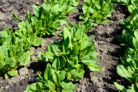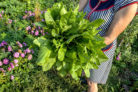
Common Sorrel (*Rumex acetosa*) is a member of the buckwheat family, and if you’re looking for the first signs of life in your garden, this native perennial is usually the first to say hello in the spring. Many home gardeners know it as a classic wild herb, but it’s actually quite versatile—you can grow it as a tasty edible or even as an ornamental addition to your flower beds.
Soil Preferences
To get the best out of this hardy plant, you’ll want to give it a spot in full sun or partial shade. Sorrel loves “feet” that stay consistently moist, so aim for soil that is fresh to damp. It really thrives in humus-rich, acidic, or loamy soils. Because it’s a bit of a hungry plant, I recommend mixing some compost into the soil every spring to keep those nutrients topped up.
Finding the Perfect Spot
While sorrel is happy in sun or partial shade, there’s a little trick to picking the right spot if you plan on eating it. Leaves grown in partial shade tend to stay tender for longer, but they also develop higher levels of oxalic acid—that’s the stuff responsible for that signature tart, slightly bitter kick.
Sorrel in the Wild
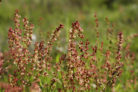
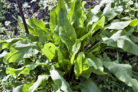
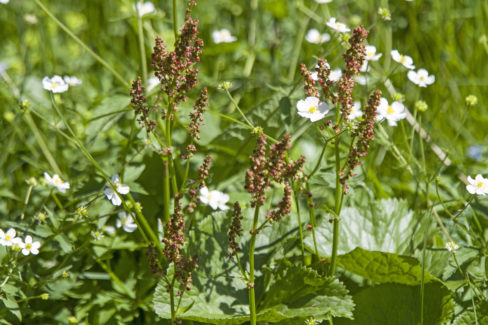
If you’re out for a hike, you’ll often spot sorrel in damp meadows or along riverbanks and ditches. It can grow up to three feet tall! During the summer season, it’s easy to identify by its tall, upright panicles covered in tiny, reddish flowers. The arrow-shaped leaves grow in rosettes right at the base of the plant, and because of their long stems, they look a whole lot like spinach.
Mountain Sorrel
There’s also a cousin called Mountain Sorrel (*Rumex arifolius All.*). You’ll find this perennial in nutrient-rich mountain meadows and forests, growing in clay or loam soils at altitudes of over 6,500 feet.
Growing Sorrel in Your Herb Garden
One thing to keep in mind: sorrel is a bit of a space hog and can easily crowd out smaller, weaker plants. However, it plays well with others in a herb garden as long as its neighbors are just as tall and vigorous. *Rumex acetosa* is incredibly hardy, low-maintenance, and a perfect fit for any natural or “wild” garden style. Whether you tuck it into your herb spiral or your vegetable patch, it’s a great addition to the yard.