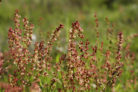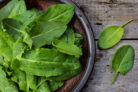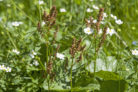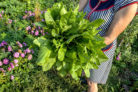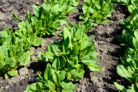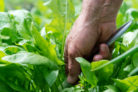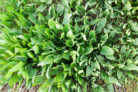
Sorrel is such a cool, versatile plant. Not only is it a powerhouse in the herb garden and a traditional medicinal remedy, but it actually looks pretty great as an ornamental plant, too. If you’re planning on foraging some wild sorrel for your next kitchen masterpiece, you’ve got to know exactly what to look for. Identifying it correctly is key to making sure you don’t accidentally pick a “look-alike” that isn’t so friendly.
Grab a Field Guide Before You Go
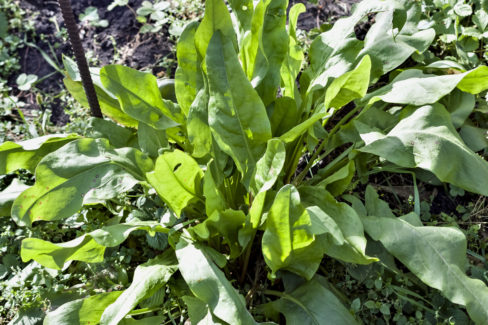
Sorrel is packed with health benefits and has a unique, tangy flavor that makes it a favorite for foragers. Once you’ve harvested those fresh green leaves, there are tons of delicious ways to prep them in the kitchen. But before you start picking, you really need to know the plant’s specific traits. I always recommend tossing a plant identification guide in your bag just to be safe. You’ll usually find edible sorrel hanging out in nutrient-rich meadows and pastures—it even grows at higher elevations up to about 5,700 feet!
Watch Out for Cuckoo Pint (Lords-and-Ladies)
There are a few plants out there that can trick you, especially when they’re young. One of the biggest culprits is the Cuckoo Pint (also known as Arum maculatum or Lords-and-Ladies), and trust me, you want to avoid this one because it’s toxic. The leaves look incredibly similar to sorrel, but there’s one specific detail that gives them away. Look closely at the base of the leaf where it meets the stem: Sorrel leaves have distinct, downward-pointing lobes (kind of like a fish tail or an arrowhead) that are sharply defined.
Why Cuckoo Pint is Dangerous
Every single part of the Cuckoo Pint is poisonous, so mistaking it for sorrel is a big deal. Its leaves are full of sap containing tiny, needle-like crystals. If you were to eat it, you’d immediately feel a nasty stinging sensation on your tongue. Symptoms can include nausea, vomiting, and diarrhea, as well as swollen lips and painful inflammation of the mouth and throat. Usually, you’ll know something is wrong within 5 to 25 minutes of ingestion.
Important Safety Tips
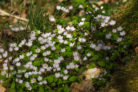
This plant is no joke—it’s even been known to be fatal for livestock that graze on it. The bright red berries are also a major hazard; because they actually taste sweet, they are a common cause of accidental poisoning in children. If you’re ever feeling unsure, the safest bet is to wait for the blooms to appear. Once they flower, the two plants look completely different, making identification a breeze!