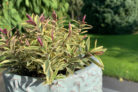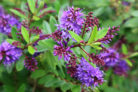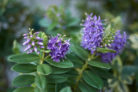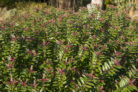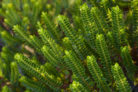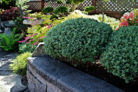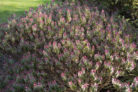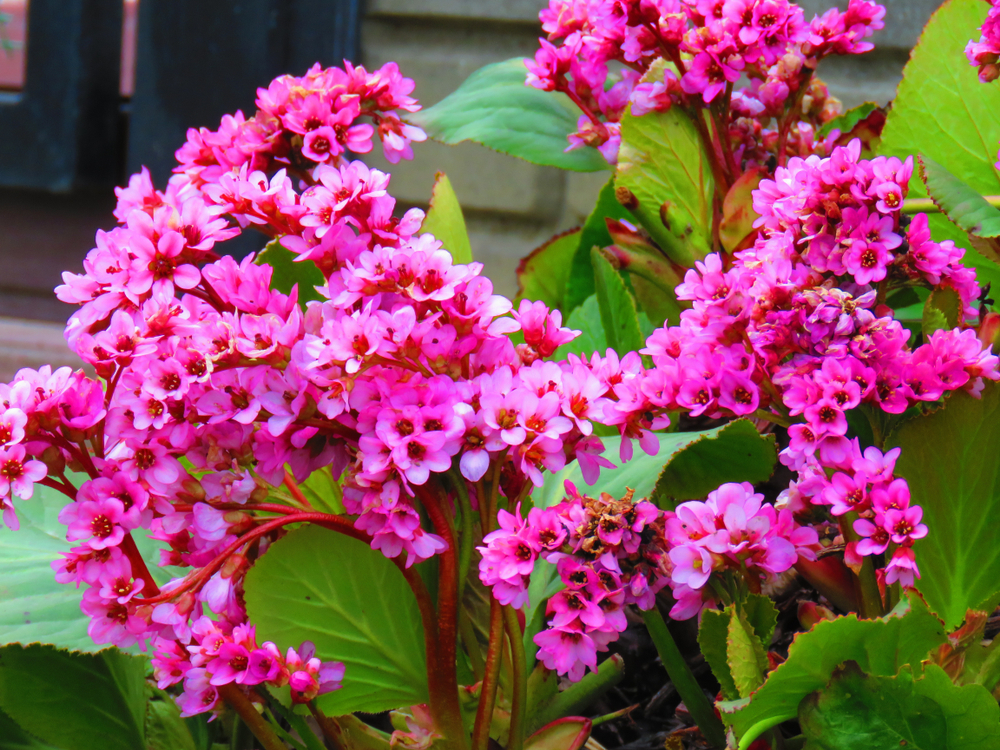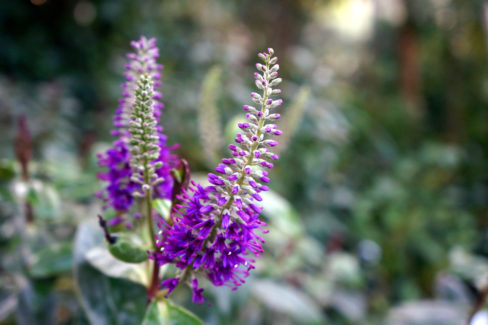
Hebe (also known as Shrubby Veronica) comes in all sorts of varieties and originally hails from New Zealand. This gorgeous perennial can range anywhere from a compact 8 inches to a towering 6 feet tall, and it’s become a real favorite for gardeners in our neck of the woods. You can even overwinter certain types of Hebe in containers! But before you go adding one to your balcony or patio, it’s always a good idea to check if it’s safe for the whole family.
Is Hebe Poisonous?
Good news: this popular ornamental plant is completely non-toxic. No poisonous substances have been found in its roots or any of its parts above ground (stems, flowers, or leaves). This means you can grow Hebe in your garden without worrying about kids or pets playing nearby. Even if your cat decides to take a little nibble on the leaves, there’s no danger of poisoning. It’s also perfectly safe to bring your Hebe indoors to overwinter.
Since none of the known varieties are toxic, it’s basically the ideal decorative plant for families with toddlers, dogs, cats, or other furry friends.
The Best Spot for Your Hebe
This hardy perennial does best in partial shade. It loves plenty of light but isn’t a huge fan of harsh, direct afternoon sun. A little morning sun is great, but it prefers some shade as the day heats up. Just a heads-up: varieties with variegated (multicolored) leaves need a bit more light to keep their patterns bright; otherwise, those colors might fade in deep shade. Here are a few other things to keep in mind for the perfect location:
- High humidity is a plus
- Avoid areas with extreme heat
- Pick a spot protected from heavy winds
Soil Requirements
Hebe isn’t too picky when it comes to soil types, but it definitely has a “favorite.” It prefers slightly acidic soil that’s rich in organic matter. The most important thing to remember—whether you’re planting in the ground or a pot—is to ensure excellent drainage. Hebe absolutely hates “wet feet” (standing water). Here’s the breakdown for the ideal soil mix:
- Loose, crumbly texture
- Well-draining (water must be able to flow through easily)
- A pH level between 5.8 and 6.5
- Low lime content