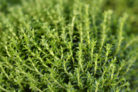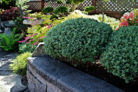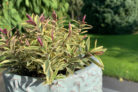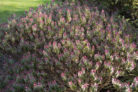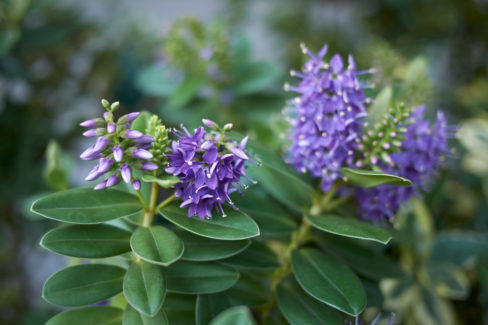
The Shrubby Veronica, or Hebe, originally hails from New Zealand and belongs to the figwort family. There are tons of different varieties out there, but one you’ll see often is the *Hebe andersonii*. Now, here’s the catch: this specific beauty isn’t winter-hardy, so it won’t survive a snowy winter in the garden. However, if you’re willing to give it a little extra love, you can successfully overwinter it indoors!
Meet the Hebe andersonii
This particular type of Hebe is known for its large, lush leaves, but it definitely has a low tolerance for frost. Despite that, it’s a total favorite for summer containers on balconies or patios. With its striking variegated foliage and those fuzzy flower spikes in shades of rose, pink, or purple, it’s a real showstopper.
Why Hebe andersonii Needs a Winter Home
Once the thermometer dips below 40°F (5°C), this plant starts to struggle. That’s why I always recommend planting them in pots so you can easily move them inside when fall rolls around. You’ll want to find a bright, cool spot—ideally around 50°F (10°C). If your house is a bit dark, don’t worry; a simple grow light can do wonders. Some great spots for overwintering include:
- A bright hallway or entryway
- A cool sunroom or conservatory
- A frost-free greenhouse
- A garage with plenty of windows
Winter Care Tips
Even though it’s “resting,” your Hebe still needs a little TLC during the off-season. Before you bring it inside, give it a thorough “bug check.” If you spot any pests, treat them immediately so they don’t spread to your other houseplants in the close quarters of winter storage.
As for watering, keep it consistent but light. You never want the root ball to dry out completely. I also suggest adding a bit of liquid fertilizer to your watering can about every two weeks to keep it nourished.
Once the days get longer and daytime temps hit that 50°F mark, you can start “hardening off” your plant. Bring it outside for a few hours at a time in dappled shade—direct sun is a bit too intense for it right away. Just remember to bring it back inside before the evening chill sets in. Wait until the danger of frost has passed (usually around mid-May) before leaving it out for good. Oh, and one last pro-tip: if you notice roots poking out of the bottom of the pot, give your Hebe a fresh start by repotting it before the summer season kicks off!