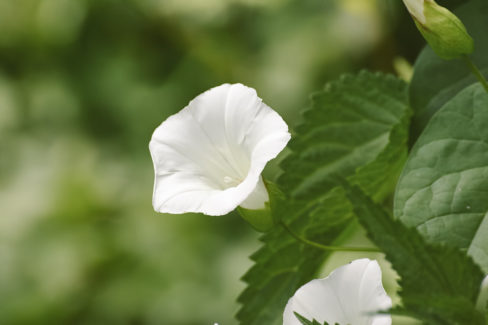
Most of us in modern society have lost that deep connection to wild plants, but lately, I’ve noticed a huge comeback! More and more people are looking at the “weeds” in their backyard and wondering, “Hey, can I eat that?” Today, we’re talking about a very common garden visitor: Hedge Bindweed.
Hedge Bindweed in Your Garden
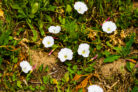
Even though Hedge Bindweed sports those pretty, white trumpet-shaped flowers, you won’t usually find it in a seed catalog. This plant has a knack for finding its own way into your yard. Along with its cousin, Field Bindweed, it’s usually labeled a nuisance and fought off by gardeners everywhere. You’ll also spot it frequently out in the wild.
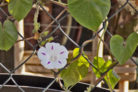
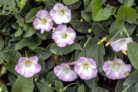
You can recognize Hedge Bindweed by its countless thin, twining vines that wrap themselves around fences and other plants. It has rounded, slightly heart-shaped leaves and those signature funnel-like blooms. You might have heard rumors that these flowers are edible, but let’s set the record straight.
Is Hedge Bindweed Edible? Short Answer: No!
Actually, all parts of the Hedge Bindweed are considered mildly toxic. Because of this, it’s definitely not something you want to add to your salad bowl. There’s a real risk of overdoing it, and even “mild” toxins can lead to some pretty unpleasant symptoms. I’d recommend avoiding the flowers entirely—don’t even use them as a garnish on your plate.
A Look at the Chemistry
Now, it’s not all bad news. The “inner values” of this plant are actually quite interesting. Some of the compounds found in bindweed can actually be beneficial to the human body in the right context. Here’s a quick breakdown of what’s inside:
- Flavonoids
- Tannins
- Resin glycosides
- Cardiac glycosides
These ingredients can have laxative, diuretic, and pain-relieving effects. Historically, they’ve been used to help with fevers, digestive issues, inflammation, and liver or gallbladder problems.
Using it as a Medicinal Herb
Hedge Bindweed is technically classified as a medicinal plant, even if some of its traditional uses haven’t been backed up by modern science yet (mostly because large-scale studies on “weeds” are pretty rare!). However, because it’s so easy to accidentally ingest too much of the toxic compounds, I suggest that us home gardeners stay on the cautious side.
If you want to experiment at home, stick to external applications. Anything involving internal use should really be left to professional herbalists. If you’re curious about harvesting, the roots are best gathered in the fall or spring, while summer is the prime time for leaves and flowers.
Pro Tip:
If you do harvest it, use the plant material to create tinctures for topical use. You’ll often see people recommending bindweed tea, but I’d skip that—it’s just too hard to guarantee you aren’t getting a dose of toxins along with your brew.