Field bindweed loves to wander away from its natural habitat and stage a full-blown takeover of our gardens. Don’t let those pretty, trumpet-shaped flowers fool you—this is one stubborn weed on a mission to conquer your flowerbeds. If you want to win this battle, you’re going to have to be just as persistent as the plant itself.
Fast Facts on Field Bindweed
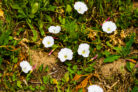
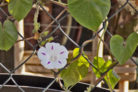
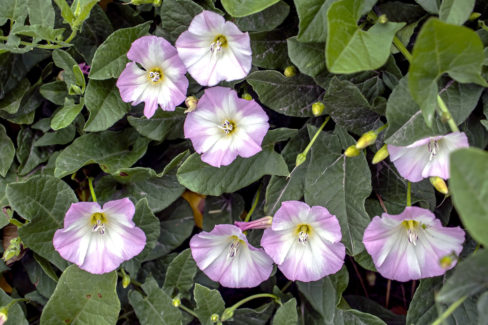
Field bindweed (botanically known as *Convolvulus arvensis*) is a perennial that sends out long, thin vines that tightly coil around anything in their path. You can spot it by its delicate pink or bluish funnel-shaped blooms and its arrow-shaped, elongated leaves. It’s a close relative of hedge bindweed, and you can use the same tactics to fight both.
This plant is a triple threat: it spreads via seeds, runners, and root sprouts. Because its fine root system can dive up to 6 feet deep into the soil—and even a tiny fragment of root can grow into a whole new plant—getting rid of it is a marathon, not a sprint. The key is to start as soon as you see it.
Dig It Out Completely
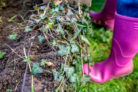
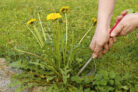
Your best bet is to try and remove the entire plant, roots and all. Once you’ve pulled what you can, use a garden fork to turn over the soil and hunt for any deep, snapped-off root pieces. Sift through the dirt carefully and toss every single bit of the plant into your household trash (don’t compost it!). Keep a close eye on the area every few days for any new sprouts. If you see green, jump on it immediately.
Weaken the Roots
Sometimes you just can’t dig deep—like when bindweed decides to set up shop right in the middle of your lawn. In these cases, your best weapon is “starvation.” Rip out every bit of green growth as soon as it pops above the surface. If you do this consistently for about a year, the root system will eventually run out of energy and give up the ghost.
Smothering Larger Patches
If bindweed has already claimed a large section of your yard, you’ll need a healthy dose of patience. Here’s how to reclaim a big area:
- First, pull up all the visible vines.
- Dig up the soil and remove as many roots as possible.
- Cover the entire area with heavy-duty black plastic or landscape fabric for at least a year.
- Weight the edges down with stones or bricks.
Pro Tip:
If you don’t want to wait a year to use your garden bed, your only other option is to excavate the soil deeply and replace it with fresh, clean topsoil.
Skip the Chemicals
You’ll find plenty of herbicides at the hardware store, but when it comes to bindweed, chemicals usually aren’t worth the cost or the environmental impact. They rarely provide a “one and done” solution because those deep roots almost always survive, leading to endless re-applications.
Prevention is Key
If you notice bindweed starting to take hold, stop watering and fertilizing that specific spot for a while—you don’t want to feed the enemy! Also, make sure to mulch any bare soil in your garden to leave the weed with no room to land. If a stray vine does appear, pull it immediately before it has a chance to establish that massive root system.