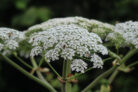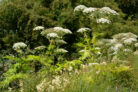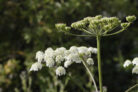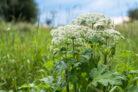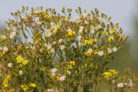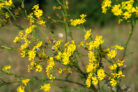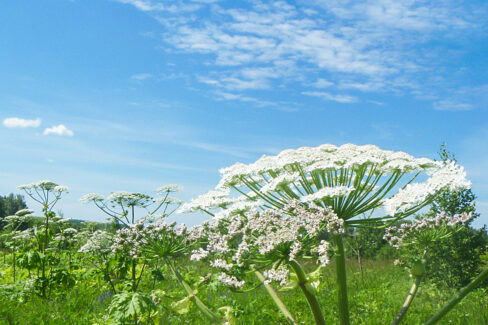
When it comes to Hogweed, the difference between a harmless snack and a trip to the ER usually comes down to one word: Giant. While our native Common Hogweed is relatively chill, its cousin, the Giant Hogweed (also known as Hercules Parsnip), is an aggressive invader that needs to be stopped in its tracks. But before you grab your garden shears, hold your horses! This plant is no joke, and you need to gear up properly before tackling it.
Giant Hogweed: The Invader in Your Backyard
Unlike the harmless native varieties, Giant Hogweed is an invasive toxic plant that definitely lives up to its name. Because of its massive size, it’s hard to miss, and while seasoned gardeners know to give it a wide berth, its towering stalks can be a magnet for curious kids. That’s exactly why this plant is dangerous and shouldn’t be ignored.
The longer you let it sit, the more time it has to drop seeds and take over. It doesn’t just fill empty spots; it’s a bully that crowds out all your favorite local plants. While a 10-foot-tall flowering stalk is a dead giveaway, young plants can easily be confused with other look-alikes. Make sure you do your homework so you can identify Giant Hogweed at every stage of its growth.
Skip the Chemicals, Call for Backup
In most places, you aren’t legally required to report Giant Hogweed on your own property. However, since local governments are also fighting the spread of this toxic invader, it’s always a good idea to report any sightings in public spaces like parks or trails. Often, the local parks department will head out to remove it to prevent public injuries. Just a heads-up: using heavy chemical herbicides is usually a no-go in home gardens or near waterways.
Safety First: Gear Up Like a Pro
If you’re taking matters into your own hands to destroy Giant Hogweed, you need to dress like you’re going into battle. The sap contains toxins that, when combined with sunlight, cause painful, blistering burns on the skin.
- Wear long, thick clothing (no skin showing!)
- Stick to closed-toe shoes or work boots
- Use heavy-duty waterproof gloves
- Cover your face and wear safety goggles with side protection
The Best Time to Strike
Timing is everything. Try to get to work as early in the year as possible. When the plants are smaller, they’re much easier to handle, and they haven’t had a chance to go to seed yet. Pro tip: pick a cloudy or rainy day for the job. Since sunlight triggers the toxic reaction of the sap, working in the shade or under clouds adds an extra layer of safety.
How to Get Rid of Giant Hogweed
Getting rid of this beast requires some old-fashioned elbow grease. First, use loppers or garden shears to cut down the visible parts of the plant. But don’t stop there! You have to kill the “heart” of the plant. Use a sturdy spade or garden fork to dig out the thick, carrot-like taproot at least 6 inches (15 cm) below the soil line. If the plant has already flowered, lay down a tarp first to catch any falling seeds so they don’t start the cycle all over again.
Quick Tip:
After you’ve dug it up, cover the area with thick black plastic sheeting. This prevents any leftover root fragments from sprouting and helps them rot away faster.
Clearing Large Areas Removing Hogweed
If you’re dealing with a massive field of Hogweed, digging by hand is a nightmare. Instead, try this strategy:
- Mow the area down and then till the soil about 6 inches deep.
- Start this process in May.
- Repeat every 10 days throughout the entire summer.
If you’ve got a hobby farm, sheep and goats are actually great allies! They can graze on the plant without getting sick. Another eco-friendly option is boiling water, though keep in mind it will kill any “good” plants it touches too.
Safe Disposal
Once you’ve cut or dug up the Hogweed, the best way to dispose of it is to burn it (where local ordinances allow). This ensures that no seeds or root scraps can hitch a ride and start a new colony somewhere else.