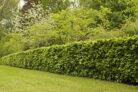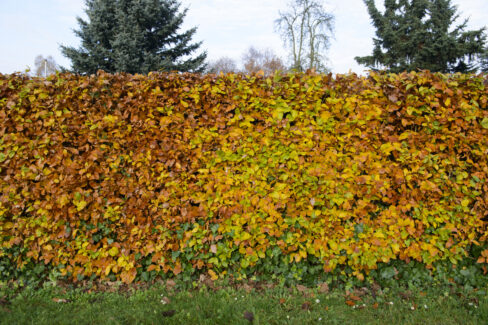
If you’re looking to add some classic structure to your yard, a beech hedge is a fantastic choice. But before you start digging, there are a few things you need to know to make sure your hedge grows in thick, lush, and healthy for years to come. Check out my guide below on how to get your young beech trees off to the best possible start.
Finding the Perfect Spot for Your Beech Hedge
Beech trees are sun-seekers! They do best in bright spots, ranging from full sun to partial shade. While they can survive in shadier corners of the garden, you’ll get the densest growth if they have plenty of light.
What Kind of Soil Do They Need?
Your soil should be rich in organic matter and not too acidic. One thing to keep in mind: beeches are thirsty plants. Because they need consistent moisture, very sandy soils can be a bit of a challenge since they drain so fast.
However, “moist” doesn’t mean “soggy.” You absolutely want to avoid standing water. To prevent root rot, make sure to loosen up the soil well before planting and mix in some compost to give it a nutrient boost.
When Is the Best Time to Plant?
In my experience, late fall is the sweet spot for planting a beech hedge. If you wait until spring to get started, the young trees often struggle to survive the summer heat and dry spells.
Spacing Your Plants Just Right
For a hedge that fills in nicely, aim for about 20 inches (half a meter) of space between each tree. A good rule of thumb is to plant two young beeches for every yard of hedging.
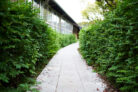
Don’t forget to leave enough breathing room between your hedge and any buildings, property lines, or sidewalks!
Step-by-Step: How to Plant Your Beech Hedge Like a Pro
Ready to get your hands dirty? Here’s the best way to get those saplings in the ground:
- Grab a buddy: It’s much easier to keep your line straight and the trees upright if you have an extra pair of hands.
- Mark your line: Use some garden string to map out exactly where the hedge will go.
- Dig in: Dig a trench about 15 to 24 inches deep.
- Prep the bed: Loosen the soil at the bottom and mix in some well-aged compost.
- Trim the roots: Give the root system a very light trim to encourage new growth.
- Set the trees: Place your saplings in the trench.
- Add support: Use stakes to keep the young trees steady while they establish.
- Fill it back up: Replace the soil, tamping it down firmly with your foot to remove air pockets.
- Water, water, water: Give your new hedge a very generous soak immediately after planting.
Can I Move a Beech Hedge Later?
Once a beech hedge has settled in and established itself, moving it is a real challenge. They develop very strong root systems, and it’s nearly impossible to dig them up without causing serious damage. It’s best to pick a “forever home” for them the first time around!
Can I Propagate My Own Beech Trees?
Yes, you can! You can propagate them using seeds or cuttings. If you go the cutting route, take them in the spring and keep them in pots until they’ve developed a sturdy root system.
Growing your own hedge from scratch takes a lot of patience, but it’s definitely the most budget-friendly way to go.
When Do Beech Trees Bloom?
Beech trees bloom in late April or early May, though the flowers are pretty tiny and easy to miss.
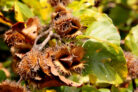
By fall, the trees produce small husks containing two to four beech nuts (beechnuts). Just a heads-up: these are mildly toxic if eaten raw!
In a typical backyard garden, you’ll rarely see these nuts on a hedge. That’s because the regular pruning required to keep the hedge tidy usually removes the flowering wood. If you’re hoping to forage for beechnuts, you’re better off looking for a full-grown, free-standing tree in the wild.