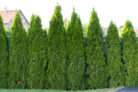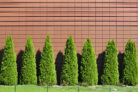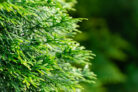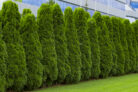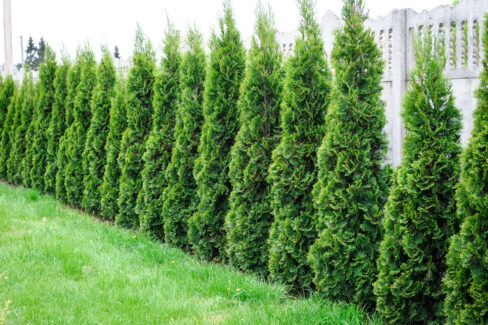
If you’re looking for a hardy, low-maintenance hedge, the Thuja Brabant (also known as the American Arborvitae) is a total classic. It’s a favorite for a reason: these evergreens grow incredibly fast and create a thick, lush privacy screen in no time. Ready to get some green in your yard? Here’s everything you need to know about planting them the right way.
Where’s the Best Spot for a Thuja Brabant?
Picking the right location is the secret sauce for healthy growth. If you want your Arborvitae to thrive and stay green for years to come, aim for a spot that meets these criteria:
- Full sun or partial shade
- Protection from intense, scorching midday sun
- Sheltered from heavy wind tunnels
- Well-draining, moist soil
- Soil that isn’t too acidic (check your soil pH!)
Keep in mind that while you can transplant a small Thuja Brabant relatively easily, it gets much harder as they get bigger. It’s best to pick their “forever home” right from the start!
When is the Best Time to Plant?
Ideally, you’ll want to get your trees in the ground during April or May once the soil has started to warm up. Early fall is also a great planting window, but if you go the autumn route, make sure to add a nice layer of mulch to protect the roots from the upcoming winter chill.
How Much Space Should You Leave Between Trees?
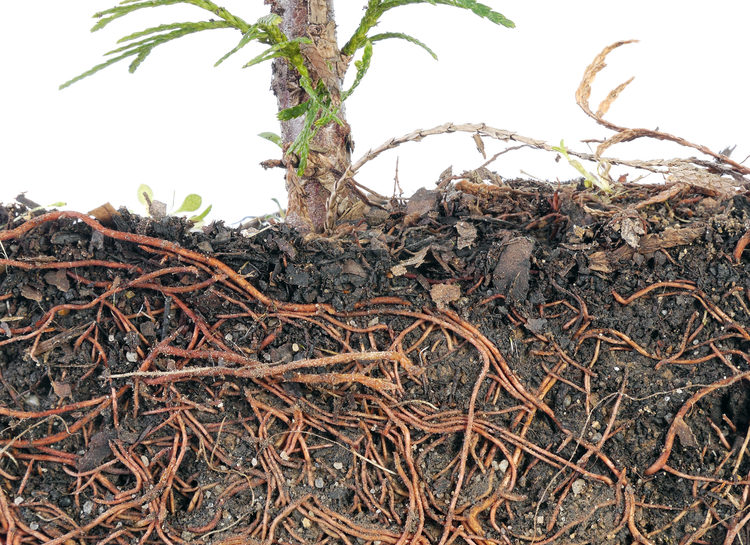
When planting a hedge, your spacing should generally be between 15 and 24 inches (40–60 cm), depending on how large your saplings are. This gives the roots plenty of room to stretch out and develop. Also, don’t forget to check your local property line rules to make sure you’re leaving enough distance from sidewalks and neighbors!
How to Plant Your Thuja Brabant: A Step-by-Step Guide
Follow these steps to get your new hedge off to a great start:
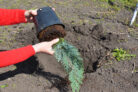
- Hydrate: Place the root balls in a bucket of water for about 24 hours before planting.
- Dig In: Dig a hole that is twice as wide as the root ball.
- Prep the Soil: Mix some well-rotted compost or aged manure into the soil, along with a handful of horn shavings for slow-release nutrients.
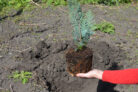
- Position: Carefully place your Thuja Brabant into the hole.
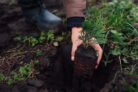
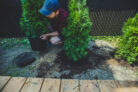
- Fill: Backfill the hole with soil. Giving the tree a gentle shake as you fill can help settle the dirt around the roots.
- Tamp: Firmly press the soil down with your hands or feet to remove air pockets.
- Hydrate Again: Give it a deep watering immediately after planting. Make sure to keep the soil consistently moist over the next few days as it settles in.