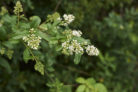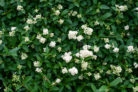
Ligustrum atrovirens (often called European Privet) is famous for being the overachiever of the privet family when it comes to holding onto its leaves. Because it stays green longer than almost any other variety, it’s a top-tier choice for backyard hedges. Let’s dive into what makes this plant special and how to help it thrive in your garden.
What Makes Ligustrum Atrovirens Special?
Technically, privets aren’t true evergreens, meaning most varieties drop their leaves as soon as the cold hits. However, Ligustrum atrovirens is “semi-evergreen”—it holds onto its lush foliage well into the dead of winter. If you’re looking for a privacy hedge that doesn’t leave you exposed the moment fall ends, this is definitely the variety for you.
Finding the Perfect Spot
When it comes to location, Atrovirens is pretty easygoing, much like its cousins. To keep it happy, look for a spot that meets these criteria:
- Plenty of sun to partial shade.
- Avoid full, deep shade (it’ll get leggy!).
- Loose, well-draining soil.
- Nutrient-rich soil with a bit of organic matter or humus.
When to Get Planting
The best time to get your privet in the ground is during the spring or fall. The soil is naturally moister then, which saves you some time on watering duty. While you *can* plant them year-round, just be careful with winter plantings—young shrubs with shallow roots might need a little extra protection from heavy frosts.
How to Plant Your Atrovirens
When you’re ready to dig, make sure your planting hole is about twice as wide as the root ball to give those roots room to spread. Pro tip: Mix some compost or horn meal into the soil before backfilling to give your new shrub a healthy nutrient boost. Don’t forget to water regularly while the plant is getting established!
Getting the Spacing Right
If you’re dreaming of a thick, seamless wall of green, proper spacing is key. For a hedge, aim for about 20 inches (50 cm) between plants. This gives them enough elbow room to grow without competing, but ensures they’ll knit together into a dense screen. If you’re planting it as a standalone accent shrub, give it even more space to shine.
Transplanting Ligustrum Atrovirens
Like all privets, Atrovirens is a shallow-rooted plant. While this means you can move it if you change your mind about your garden layout, it can be a bit tricky. The roots don’t go deep, but they spread out wide. If you have to relocate one, try to dig a wide circle around the base to avoid snapping those important lateral roots.