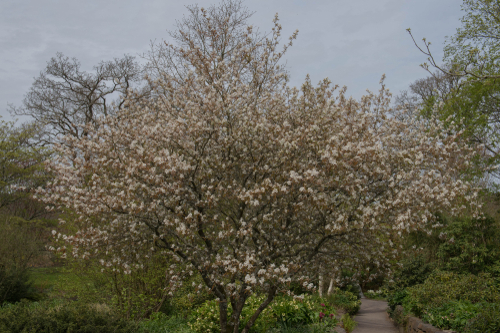
Most people think of the serviceberry (also known as Juneberry or *Amelanchier*) as either a multi-stemmed shrub or a standalone tree. But here’s a pro tip: with a little patience and the right TLC, you can actually grow a stunning, dense serviceberry hedge in just a few years.
The Pros and Cons of a Serviceberry Hedge
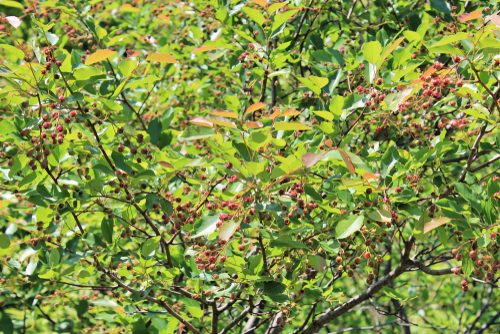
Honestly, what’s better than a hedge that offers gorgeous spring blooms, delicious edible berries, and a jaw-dropping autumn fashion show? The serviceberry delivers all of that. Plus, you’ll be doing your local ecosystem a huge favor by providing a sanctuary for birds and pollinators—something that’s more important now than ever.
The trade-off? Serviceberries aren’t evergreens. Unlike your typical boxwood or privet, they won’t provide a total privacy screen during the winter months. Even from spring through fall, their growth habit is a bit more airy and relaxed rather than a solid wall of green. If you need a “fortress” style hedge that blocks out the neighbors 365 days a year, you might want to stick with something like cherry laurel. But if you want beauty and biodiversity, the serviceberry is a winner.
Which Varieties Work Best for Hedges?
Serviceberries are generally fast growers, which is exactly what you want when planting a hedge. However, picking the right variety is key. The Copper Serviceberry (*Amelanchier lamarckii*) can reach heights of 20 to 30 feet and tends to look more like a tree. For a more manageable hedge, you’re better off with smaller varieties, such as:
- The Low Juneberry (Amelanchier spicata)
- The Common Serviceberry (Amelanchier ovalis)
That said, if you’re looking for a tall, fast-growing windbreak and aren’t as worried about a tight privacy screen, the Copper Serviceberry is actually a great choice. It creates a decorative border for your property that filters the wind beautifully.
Spacing Your Hedge Just Right
Here’s the thing: it takes a little time for serviceberries to branch out and fill in. This often leads gardeners to make the mistake of planting young shrubs too close together. If they’re cramped, the plants can’t develop properly, and you won’t end up with that healthy, vigorous hedge you’re dreaming of.
When planting, make sure to give them at least 20 inches (about 50 cm) of space between each plant. You should also give them plenty of breathing room away from buildings or walls. Remember, their roots like to spread out wide rather than deep, so they need their personal space!