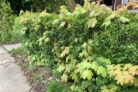
The massive maple family has a little secret: there’s a specific variety that makes for a fantastic privacy hedge! This isn’t just your average backyard tree; it brings all that classic maple charm while pulling double duty as a practical garden boundary. But how do you actually go about building a “living wall” out of maple? Let’s dive in.
The Perfect Maple for the Job
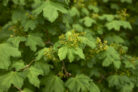
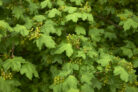
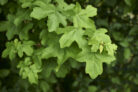
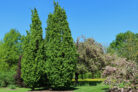
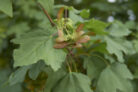
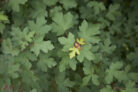
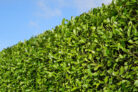
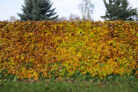
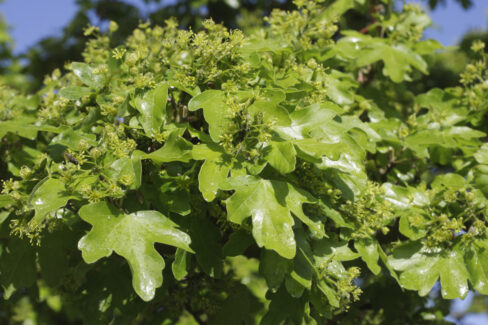
A good hedge needs to do more than just look pretty—it needs to actually block out nosy neighbors. There’s really only one maple that’s up for the task: the Field Maple (Acer campestre). It’s the MVP of hedges thanks to its unique growth habits:
- Shrub-like growth pattern
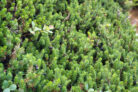
- A naturally dense, compact crown
- Impressive growth rates in its early years
- High tolerance for heavy pruning
Since maples are sun-seekers, this hedge thrives best in full sun to partial shade. As for the soil, it’s not too picky, though it definitely has a preference for lime-rich (alkaline) ground.
Why Fall is the Best Time to Plant
The Field Maple is incredibly hardy, which is exactly what you want in a permanent fixture of your landscape. Because it’s so tough, fall is the prime time to get it in the ground. The mild autumn days help the roots settle in, and the seasonal rain does most of the watering for you. By the time spring rolls around, the plant is already established and ready to explode with new growth.
Another pro tip: in the fall, you can usually find “bare-root” maples at a great price. Since you’ll need quite a few plants to create a full hedge, buying bare-root instead of potted “container” plants can save you a ton of cash.
If you’ve got the patience of a saint, you can even collect maple seeds in the fall and grow your own plants from scratch. Using your own saplings is definitely the most budget-friendly way to go!
Planting Basics: Step-by-Step
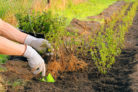
- Pick a day when the ground isn’t frozen.
- Soak the roots in a bucket of water until air bubbles stop rising.
- Use a string line to keep your hedge row perfectly straight.
- Dig a long trench rather than individual holes.
- Mix some compost into the soil to give it a nutrient boost.
- Space your young trees about 12 inches (30 cm) apart.
- Plant them at the same depth they were in the nursery.
- Tamp the soil down firmly and give them a good soak.
- Prune the maples back by about a third right after planting to encourage bushy growth.
Quick Tip:
Don’t forget to check your local property line rules! Make sure you leave enough space between the hedge and your neighbor’s fence so you can comfortably get back there to prune both sides.
Keeping Things Sharp: Pruning Your Hedge
Expect your hedge to put on about 12 to 20 inches (30-50 cm) of height per year. To keep it looking like a neat wall rather than a wild thicket, you’ll need to stay on top of the trimming:
- Prune twice a year.
- First round: Late January to early March.
- Second round: June or July.
A Little Extra TLC
Maples can be a bit sensitive to drought, so if you’re hitting a dry spell, make sure to get the hose out. A little compost in the spring or fall is usually all the fertilizer they need.
If you spot a bit of powdery mildew on the leaves, don’t panic. Usually, it’s not a big deal, and your regular pruning schedule will naturally help keep the airflow up and the fungus down.