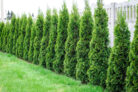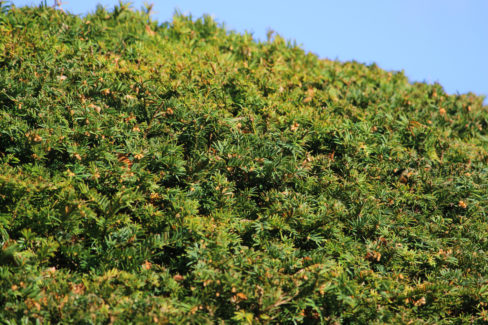
Even though the yew tree contains toxic substances, this beautiful evergreen is a favorite for gardeners all over the world. It’s incredibly low-maintenance, and its lush needles take to pruning like a dream. It’s especially popular for creating privacy screens. Here’s everything you need to know about planting your own yew hedge.
Why Yews Make Fantastic Hedges
When it comes to hedging, evergreens are usually the go-to choice. The big perk? They look great year-round and provide reliable privacy even in the dead of winter. Beyond that, the yew has plenty of other points in its favor. It’s a tough-as-nails plant that rarely deals with pests or diseases, and it isn’t particularly picky about soil types.
On the flip side, there are a couple of things to keep in mind. First, you’ll need a little patience; yews are slow growers, so it’ll take some time for small saplings to turn into a towering wall. Second, almost every part of the yew contains taxine, which is toxic if ingested. Keep that in mind if you have curious pets or kiddos around!
Picking the Perfect Spot
Before you start digging, you’ll want to find the right location. While yews aren’t divas, they do have some preferences. For instance, they don’t love being scorched in the direct, midday sun. They also hate “wet feet,” so avoid areas where water tends to pool, as yew roots can struggle with waterlogging.
Here’s your location checklist:
- A spot with partial shade
- Deep, well-draining soil
- Plenty of breathing room away from house walls
When you plant, adding a little fertilizer can give the roots a head start and speed up growth. Just make sure to keep them well-watered early on—those first two weeks after planting are crucial for getting the young trees established.
How to Plant Your Hedge the Right Way
The best time to get your hedge in the ground is during the spring. This allows the trees to use that first seasonal growth spurt to settle their roots before they start branching out. You can plant later in the year, too, just make sure they get plenty of water and have enough time to settle in before the first frost hits.
Step-by-step guide to planting your hedge:
- Plan for about 12 to 20 inches (30–50 cm) of space between each plant.
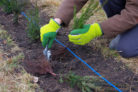
- Use a string line to make sure your hedge stays perfectly straight.
- Dig your planting holes and add a drainage layer (like gravel) at the bottom.
- Mix your excavated soil with some compost or organic fertilizer.
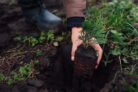
- Soak the root balls in water for a full day before planting.
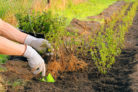
- Place the yews into the holes.
- Fill the gaps with your enriched soil mix.
- Gently tamp down the soil with your foot and give them a good, long drink of water.