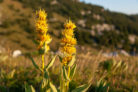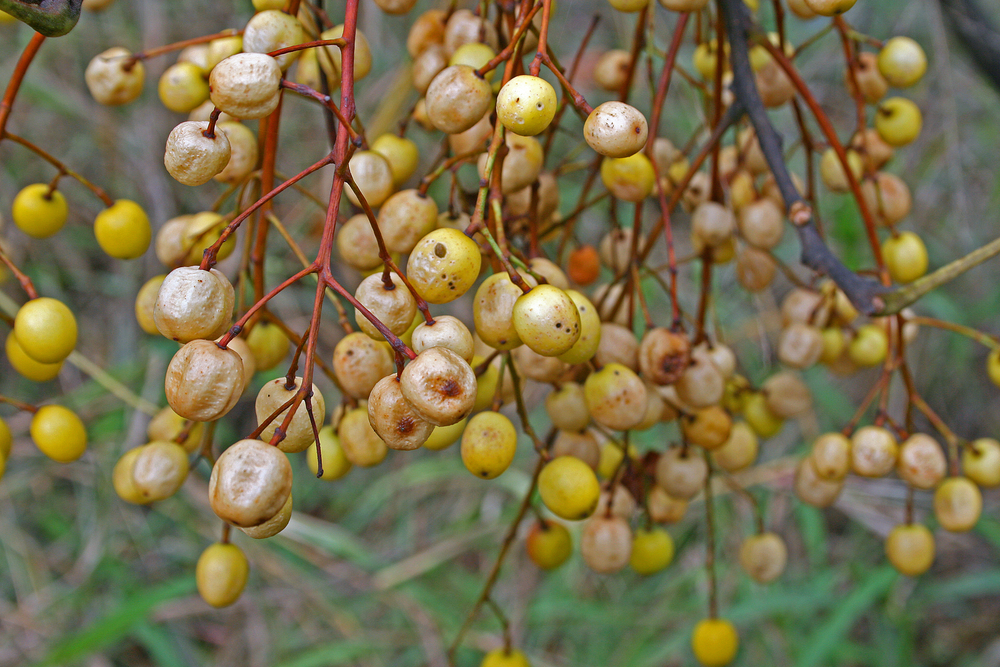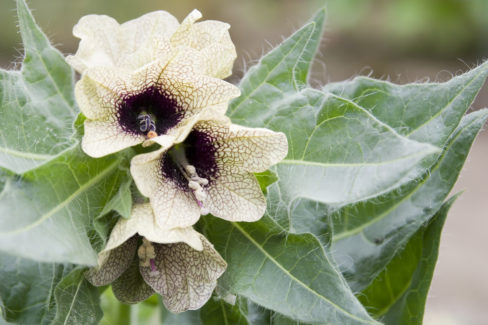
Just like the infamous Belladonna (Deadly Nightshade), Henbane is packed with toxic alkaloids, making it just as dangerous if you aren’t careful. While I definitely wouldn’t recommend putting this in your salad, this plant actually has a fascinating, centuries-old history in natural medicine. Let’s dive into how Henbane works and why people have been using it since ancient times.
Henbane and Its Hallucinogenic Effects
If someone accidentally (or intentionally) ingests Henbane, the symptoms are pretty much identical to what you’d see with Belladonna or Jimsonweed. The main signs of poisoning involve altered states of consciousness and intense hallucinations. In some cases, it can even lead to a complete loss of consciousness or a deep, trance-like sleep.
It’s not always a “mellow” trip, either. It can trigger psychotic symptoms like hallucinations, crying spells, or even aggressive outbursts. In the most severe cases, the toxins in the plant can unfortunately be fatal.
Ancient Rituals and Oracles
The use of Henbane goes way back to the ancient Egyptians and Babylonians. Back then, it was primarily used as an intoxicant for sacred rituals and ceremonies. It was a favorite tool for fortune-tellers and oracle priests; by eating the plant or inhaling its smoke, they’d enter a deep trance. Those vivid hallucinations were often interpreted as prophecies or visions of the future. On a darker note, it was also a notorious choice for political poisonings.
Mischief and Medicine in the Middle Ages
By the Middle Ages, people had found some pretty “creative” uses for Henbane. For instance, it was used to stun fish to make them easier to catch. It was also a go-to for chicken thieves! They would burn the herb near a coop, and the smoke would essentially paralyze the chickens, causing them to fall right off their roosts. This allowed thieves to snatch up the birds quietly without a struggle.
In the world of medieval medicine, Henbane served a more “noble” purpose as a potent painkiller and anesthetic for surgeries. Patients often reported feeling a pleasant euphoria—though, as you can imagine, the line between a medical dose and a dangerous one was very thin.
Believe it or not, some people even started adding Henbane to their beer to give it an extra “kick.” While it certainly boosted the intoxicating effects, it often led to some nasty side effects like incoherent rambling or sudden bouts of diarrhea.
Henbane in Modern Homeopathy
Today, you can still find Black Henbane in pharmacies under its botanical name, *Hyoscyamus niger*, as a homeopathic remedy. If you’re looking to explore its natural healing properties safely, it’s typically used in highly diluted, low-potency forms.
Some common homeopathic uses include:
- Persistent nighttime coughing fits
- Asthma relief
- Insomnia
- Behavioral issues or restlessness
- Stubborn hiccups