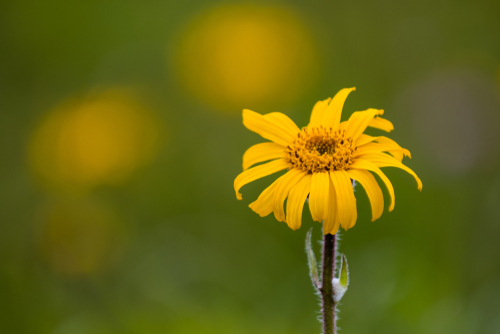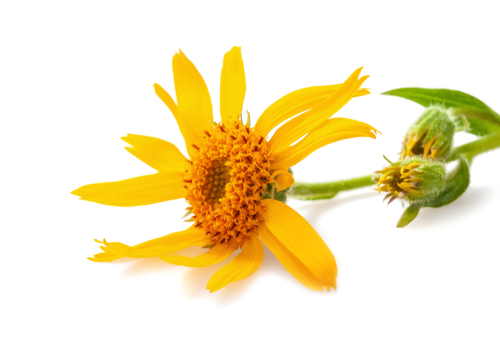
You might know *Arnica montana* by some of its more colorful folk names like mountain tobacco, leopard’s bane, or wolf’s bane. These names hint at its long history in traditional medicine. Back in the day, it was a go-to remedy, but nowadays, we’re a lot more careful. Because Arnica contains some pretty potent (and potentially toxic) compounds, it’s important to know the right way to use it in your home wellness routine.
The Healing Power of Arnica
In the world of natural remedies, Arnica is primarily a superstar for external use. An Arnica salve or compress is basically a first-aid kit essential for those “oops” moments. Whether you’re a weekend warrior or just prone to bumping into things, keeping Arnica oils, tinctures, or ointments on hand is a great idea for:
- Bruises
- Contusions and crushing injuries
- Sprains
- General bumps and bruises
- Pain relief for gout
- Rheumatism
- Sore muscles after a workout
It’s also surprisingly helpful for oral health; rinsing with a *highly* diluted Arnica tincture can help speed up the healing of mouth sores or gum issues. Just make sure you follow the manufacturer’s dilution instructions to the letter!
In the old days, people used to drink Arnica tea or take drops internally, but we’ve learned that this can lead to some scary side effects. Today, if you want to take Arnica internally, the safest way is through homeopathic pellets (globuli). These are so highly diluted that the toxic risk is gone, though you should still be careful if you have a known allergy to plants in the daisy family (Asteraceae).
When Does Arnica Become Dangerous?
Arnica flowers are packed with active ingredients like essential oils, flavonoids, and bitter compounds. One specific ingredient, helenalin, is the culprit when it comes to toxicity. If ingested directly, it can cause some serious trouble, including:
- Breathing difficulties
- Paralysis
- Miscarriage
- Diarrhea
- Dizziness
- Heart palpitations or irregular rhythm
- Severe stomach and intestinal inflammation
Even when using it on your skin, you have to be smart. If a tincture is too concentrated, it can cause “Arnica dermatitis”—think itchy red rashes, blisters, or eczema. And a quick heads-up: never, ever drink a pure Arnica tincture. It can lead to vomiting, heart issues, and in extreme cases, it can even be fatal.
Because the chemistry of the plant is so complex, I definitely don’t recommend whipping up your own Arnica salves or tinctures at home. It’s much safer to buy standardized products and always chat with your doctor or a licensed herbalist before starting a new treatment. Stick to the dosage on the label, and you’ll get all the benefits without the risks!