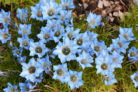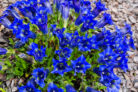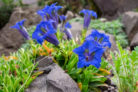
The Blue Gentian is the ultimate symbol of the Alps, but it’s also become a total favorite for home gardens. If you mix and match different varieties, you can actually enjoy those stunning, trumpet-shaped blooms from early spring all the way into December. But, if you’ve got kids or pets running around the yard, you’re probably wondering: is this mountain beauty safe, or is it hiding some toxins?
Is Gentian Poisonous?
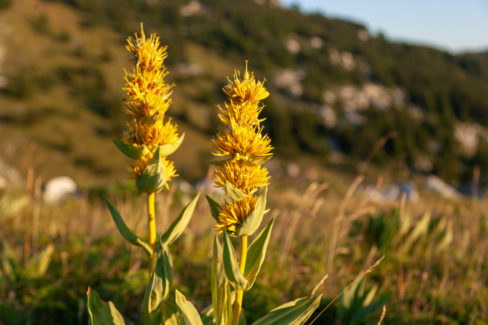
The good news is that the Gentian is a non-toxic ornamental plant that you can plant in your garden without a second thought. No part of the plant contains toxins, so it’s perfectly safe for kids to touch, and most pets are out of harm’s way too. The only ones to keep a close eye on are cats. Our feline friends actually have a thing for bitter plants and might try to snack on Gentian—especially the Yellow Gentian. That variety is packed with bitter compounds that could give a cat a pretty nasty upset stomach if they decide to have a nibble.
Let’s Talk Bitter Compounds
While the Blue Gentian only has a small amount of bitter substances, the Yellow Gentian is loaded with them. If you look at the roots, you’ll find a whole mix of interesting stuff:
- Bitter compounds like gentiopicroside and amarogentin
- Sugars
- Pectins
- Mucilage
- Xanthones
- Essential oils
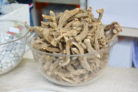
The root is particularly bitter, which is exactly why it’s used to make that famous Gentian schnapps. Because it’s so great at stimulating digestion, it’s a popular after-dinner digestif. Even back in the Middle Ages, people were brewing healing elixirs from Yellow Gentian to treat things like loss of appetite, bloating, and respiratory issues. Today, we know for a fact that the bitter substances in the root help support the stomach, intestines, liver, gallbladder, and even the immune system.
It’s even used in veterinary medicine! Gentian powder is often given to horses to boost their gut flora and digestion. It’s also great for dogs to help support their digestive processes and immune defenses.
A Quick Warning: The Gentian Bush
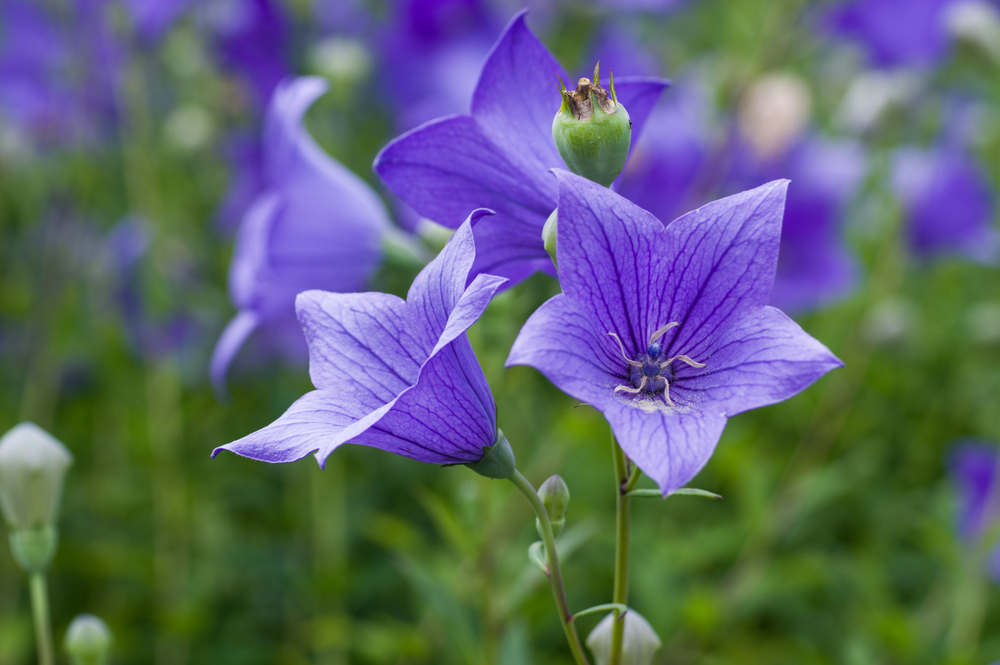
Don’t let the name fool you! While the “Gentian Bush” (also known as the Potato Bush) has blue flowers that look a lot like the alpine variety, it’s a completely different story. This pretty shrub is often grown in containers on patios, but you need to be careful here. It’s actually part of the nightshade family, which means every single part of it is highly toxic. It contains solanine, which can cause serious symptoms like heart palpitations or confusion. If you have kids or pets, you’ll want to make sure they stay far away from this one!