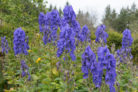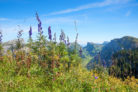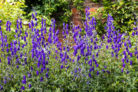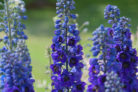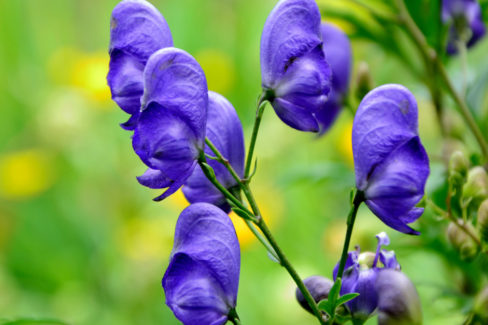
Monkshood—also known by dramatic names like Wolfsbane or Aconite—holds the title of the most poisonous plant in Europe, and it’s been famous (or infamous) since ancient times. Back in the day, it was the go-to for getting rid of enemies; today, it’s a stunning showstopper in perennial gardens. But make no mistake: it’s just as toxic as ever, so you’ve got to handle it with care.
Plant Description
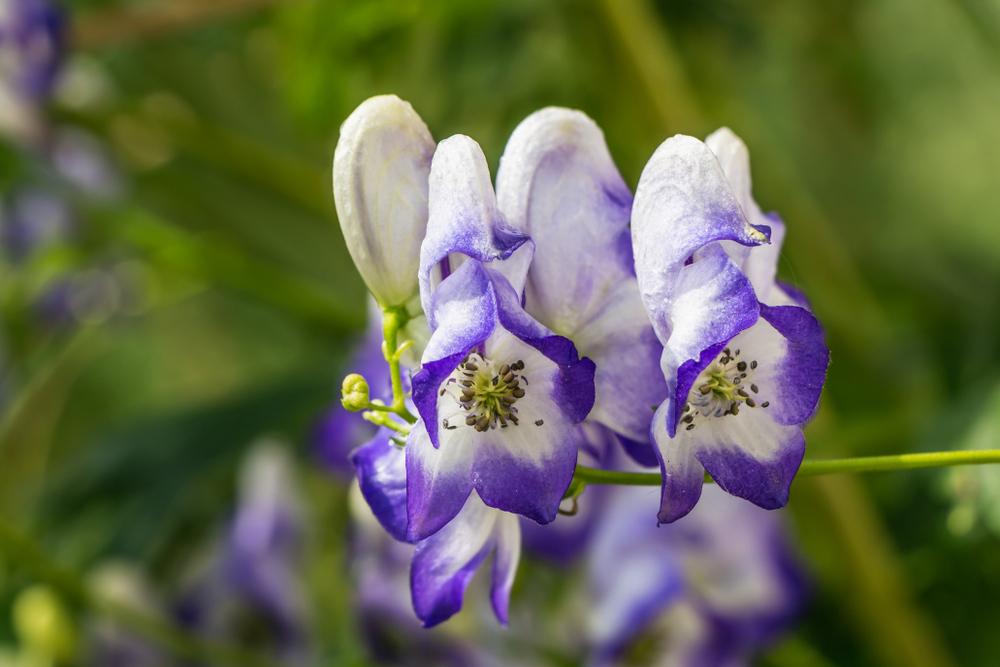
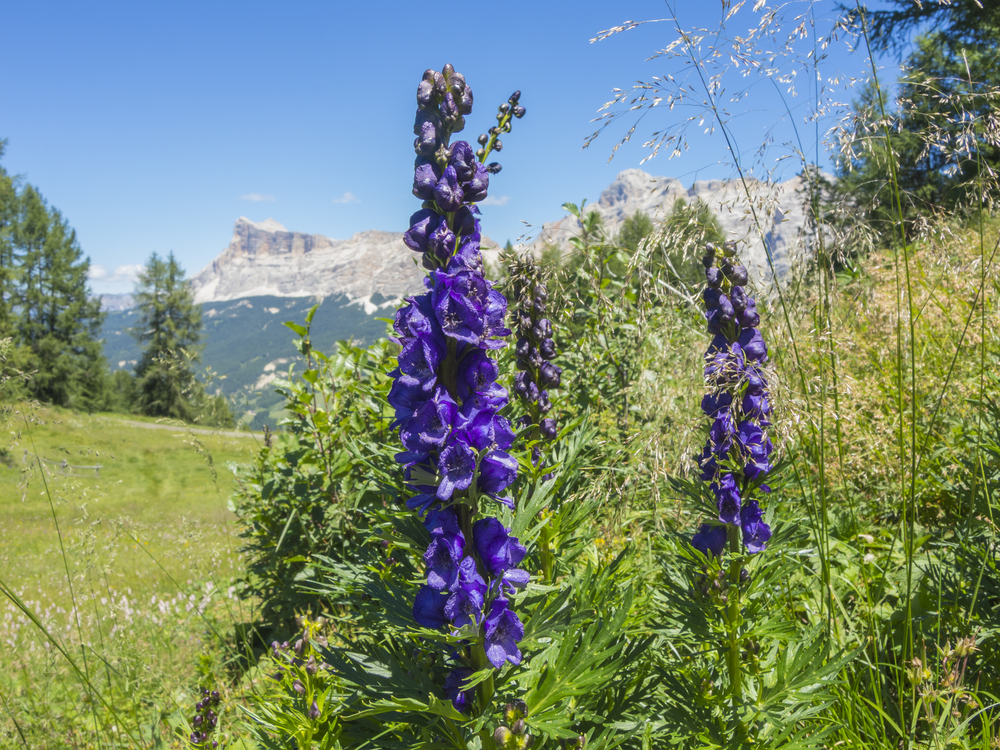
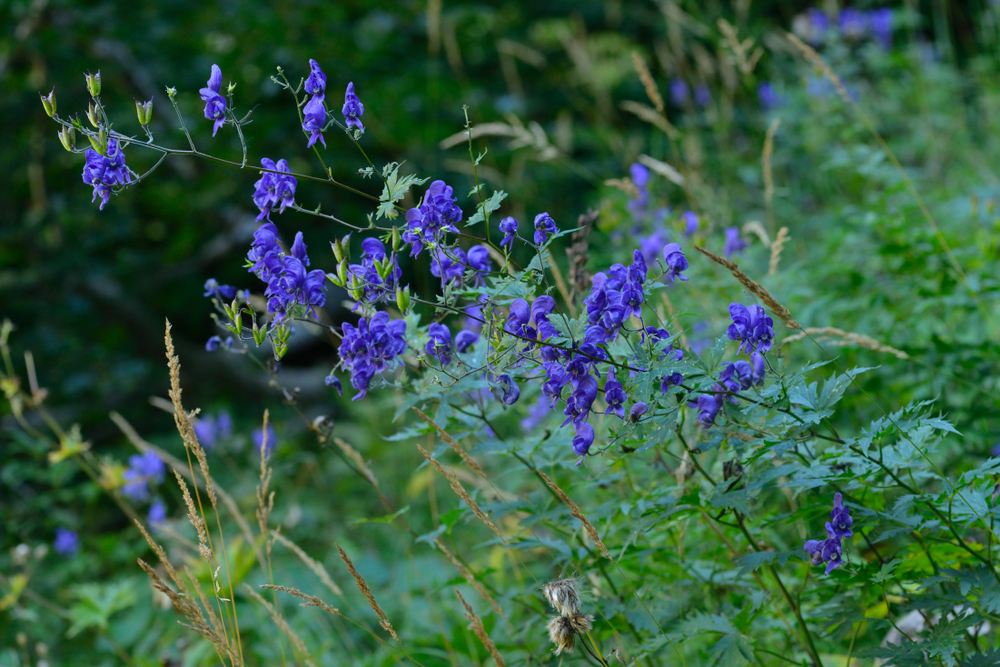
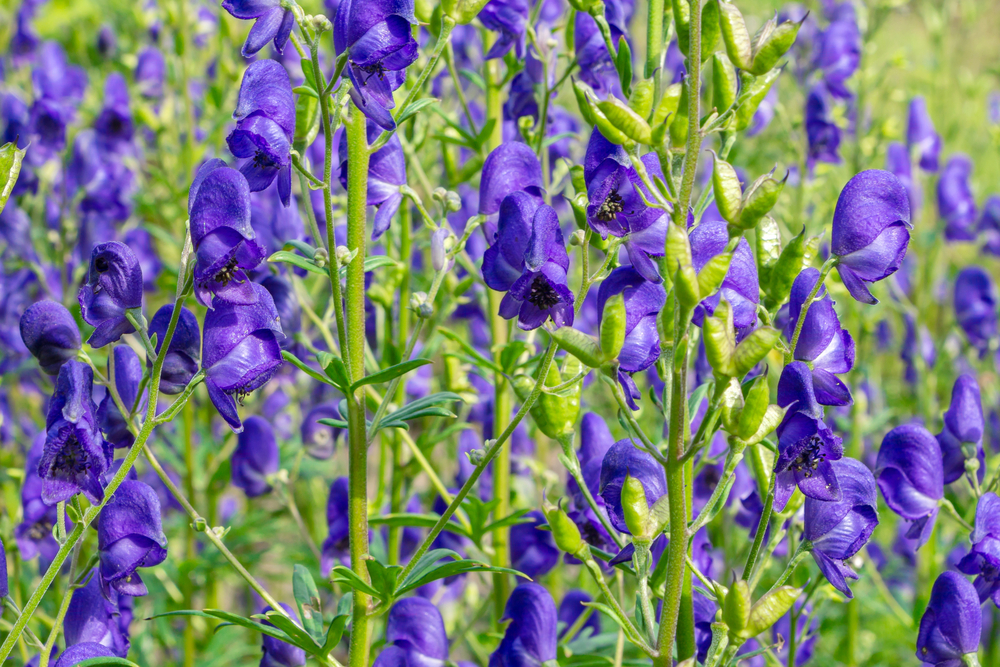
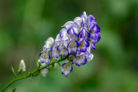
A member of the buttercup family (Ranunculaceae), Monkshood is a hardy herbaceous perennial that typically stands between 2 and 5 feet tall. It grows from a sturdy taproot with upright stems that don’t branch out much. You’ll recognize it by its dark green, deeply lobed leaves and its striking clusters of flowers. These blooms come in shades of deep blue, purple, yellow, white, or even red, and their unique shape looks just like a medieval knight’s helmet. After it finishes blooming (usually between June and September), it develops seed pods containing small, angular seeds.
The Active Ingredients
Every single part of the Monkshood plant contains a deadly cocktail of toxins, with the highest concentrations found in the roots and seeds. The poison—primarily aconitine along with other alkaloids—is especially potent during the winter months. Believe it or not, just 2 to 4 grams of the root can be a fatal dose for an adult. Because of this, it is absolutely vital to keep this plant away from areas where children or pets play.
The Toxic Seeds
As autumn rolls around, the plant produces dry pods filled with tiny seeds that can easily scatter across your garden. If you want to prevent it from self-seeding (and keep things safe), it’s best to snip off the green pods before they open. This ensures that curious kids or pets don’t accidentally ingest the toxic seeds. Even just touching the plant with bare skin can cause numbness, so always wear gloves! If you’re saving seeds, make sure they are clearly labeled and stored in a secure, child-proof container.
If someone does happen to swallow the seeds, you need to seek emergency medical help immediately. If left untreated, symptoms will begin to show within a few hours. Watch out for:
- Nausea
- Violent vomiting
- Severe diarrhea
- Cold sweats
- Pale, cold skin and chills
- Burning sensations in the mouth, fingers, and toes
- Spasms or cramps
- A drop in blood pressure
- Irregular heartbeat
- Confusion or altered consciousness
- Muscle paralysis
- Intense physical pain
Without medical intervention, death can occur within about three hours due to respiratory failure or cardiac arrest. Tragically, the victim often remains fully conscious until the end.