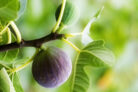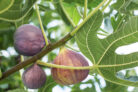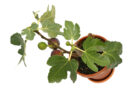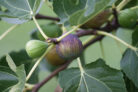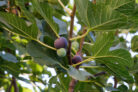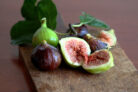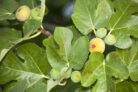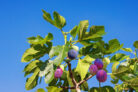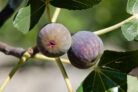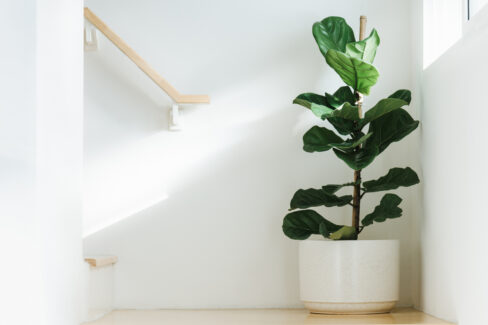
Fig trees usually top out at around ten feet, which makes them absolutely perfect for container gardening. However, growing a fig in a pot is a little different than letting one roam free in the backyard. Here’s what you need to know to keep your potted fig happy.
Substrate
Your fig’s soil needs to be nutrient-rich but well-draining. Figs are definitely not fans of “wet feet” (standing water), so I recommend mixing some lava rock or expanded clay pebbles into your potting mix. You can even find specialized lava-based soils if you want to go the extra mile.
Because figs are heavy feeders, they’ll appreciate a fresh batch of soil every now and then. For young plants, you should repot them every spring.
Don’t forget to add a solid layer of clay pebbles or lava rock at the bottom of the pot to act as drainage. This layer is your best insurance policy against root rot.
The Pot
Size matters here! Your container should be at least twice as large as the root ball to give the tree room to breathe. If the pot is too cramped, your fig will get stressed out, which usually leads to those dreaded yellow leaves.
How to plant your fig:
- Add your drainage layer to the bottom.
- Pour in a thin layer of substrate.
- Place the fig tree right in the center.
- Fill the rest of the pot with soil.
- Give it a good drink of water.
Watering and Fertilizing
When you’re growing in containers, you have to stay on top of your watering and feeding schedule. The easiest way to do this is to use a liquid fertilizer, which works wonders for potted plants.
When watering your fig, try to use water that’s at room temperature. A quick pro-tip: just leave your watering can sitting next to the pot for a few hours so the water temperature matches the environment. Your tree will thank you for not shocking its roots!
Pruning
If you’re growing in a pot, regular pruning is a must—otherwise, your tree will quickly outgrow its home. The best time to prune is in the spring once you see new growth starting. This is also the perfect time to spot any winter frost damage and snip those bits off.
You can trim back long shoots to keep the shape tidy, and you can even use those cuttings to propagate new baby figs. Just be careful not to cut too deep into the old wood; figs produce fruit on branches that are at least two years old, so you don’t want to prune away next year’s harvest!