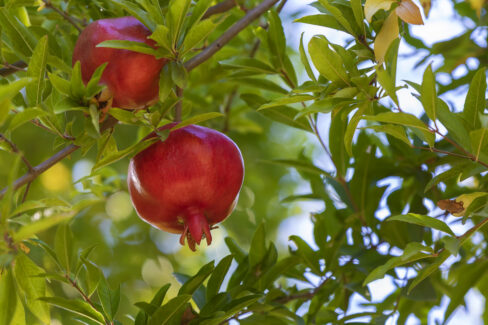
If you’re looking to give your patio those breezy Mediterranean vibes, a pomegranate tree is the perfect addition. Believe it or not, with a little luck and some TLC, you can actually get these exotic beauties to fruit right in your own backyard! Since they aren’t fans of freezing winters, the best way to grow them is in containers so you can move them indoors when the temperature drops.
Location and Soil
If you’re dreaming of growing your own pomegranate tree, remember one thing: they are total sun-worshippers. In both summer and winter, you’ll want to find the sunniest spot possible. During the summer, a south-facing spot is ideal because these trees can handle intense, direct sunlight without breaking a sweat. Pro tip: Place your tree near a house wall. The wall soaks up heat during the day and radiates it back to the plant in the evening—your pomegranate will love the extra warmth!
When it comes to soil, you want a mix that’s rich in nutrients but drains well. Pomegranates also appreciate a bit of mineral content. You can mix high-quality compost with some lava rock or sand to get the texture just right. Even though a pomegranate isn’t a citrus fruit, they actually have very similar needs, so feel free to use a high-quality citrus potting mix if that’s easier to find.
Planting Your Pomegranate
The golden rule for pomegranates? They like to stay moderately moist but absolutely hate “wet feet” (standing water). To keep them happy, always start with a layer of expanded clay pebbles at the bottom of the pot for drainage. Make sure the pot is big enough to let the tree grow—even in a container, these guys can reach up to six feet tall! When planting, aim for about a hand’s width of space between the root ball and the sides of the pot.
Step-by-Step Planting Guide:
- Add about an inch (3 cm) of drainage material to the bottom.
- Fill in a bit of your soil mix.
- Center the tree in the pot.
- Fill the rest with soil and press down gently to remove air pockets.
- Give it a good, thorough watering.
Want a fun project? You can actually grow pomegranates from seed using the same soil mix. Just keep the soil a little leaner (less nutrient-dense) for the seedlings and bump up the mineral content slightly.
Care and Maintenance
Consistency is key when it comes to watering. While pomegranates can survive short dry spells, you shouldn’t make a habit of it. This is especially true when the tree is flowering or growing fruit—if it gets too dry then, you’ll end up with a much smaller harvest.
Starting in March, your tree will need a steady supply of nutrients. Give it a good base feeding in the spring with a slow-release fertilizer (a mix of organic and mineral fertilizer worked into the soil is perfect). Then, keep the momentum going by using a liquid fertilizer every two weeks until the fruit starts to ripen.
Overwintering
Pomegranates are tougher than they look and can handle brief dips down to 15-23°F (-5 to -10°C). If you live in a very mild climate, you might get away with keeping it in a greenhouse. However, for most of us, it’s safest to bring the tree indoors for the winter. Look for a bright spot that stays around 50°F (10°C)—this keeps the tree resting comfortably until spring returns!