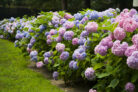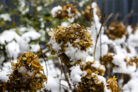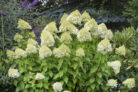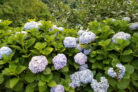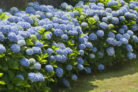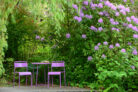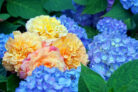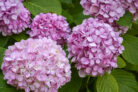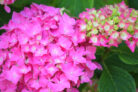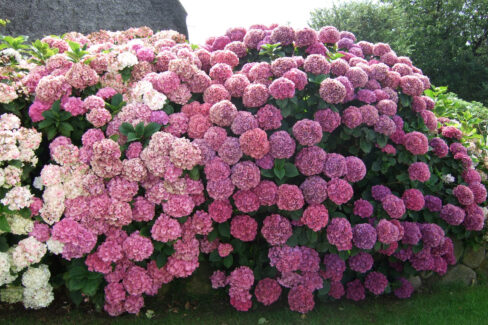
Big, colorful mophead hydrangeas (botanically known as *Hydrangea macrophylla*) are the absolute stars of the summer garden. These Japanese natives are famous for those stunning, ball-shaped blooms, but here’s the catch: they’ll only put on a show if they’re planted in the right spot. While they’re generally hardy and low-maintenance, they definitely have a few “must-haves” to stay happy.
Sun or Shade?
When it comes to light, mophead hydrangeas are a bit like Goldilocks—they don’t want too much sun, but they don’t want too much shade either. Dappled shade or part-sun is the sweet spot. Full, midday sun can actually scorch their leaves, but if you tuck them away in a dark corner, they won’t bloom. Ideally, you should also pick a spot protected from the wind; those icy winter gusts can really do a number on the buds.
The Perfect Soil
In their natural habitat, these hydrangeas grow along forest edges and near streams. This means they love soil that stays consistently moist. However, they hate “wet feet,” so make sure your soil drains well to avoid root rot. Since they are heavy feeders, they crave rich, organic soil. If your garden soil is a bit thin or sandy, you’ll need to be extra diligent about fertilizing regularly. Aim for a soil pH between 4.5 and 6 for the best results.
The Magic of Soil and Color
One of the coolest things about mophead hydrangeas is their ability to change color. Depending on the variety, they can range from white and pink to deep, electric blues. Unlike most perennials, the color isn’t always set in stone—it actually shifts based on your soil’s pH level. The more acidic the soil, the bluer the flowers will be. This means you can actually “tune” your hydrangea to your favorite shade with the right soil amendments.
If you’re planting in containers, it’s even easier to control the color. For those dreamy blue blooms, use a rhododendron fertilizer or one containing aluminum sulfate. A great budget-friendly hack is to mulch with pine needles or grass clippings to help acidify the soil. On the flip side, if you prefer pretty pink petals, you’ll want to keep your soil more alkaline.
Quick Summary:
- Best Location: Part-shade/Dappled sunlight
- Shade Issues: Poor blooming or no flowers at all
- Sun Issues: Prone to leaf scorch/sunburn
- Color Secret: Soil pH determines the flower color
- Soil Preference: Moist but well-draining, rich in organic matter, neutral to slightly acidic
Pro Tip: Before you dig your hole, remember that these beauties can get big! It’s not uncommon for a healthy mophead hydrangea to reach up to six feet tall, so give them plenty of elbow room.