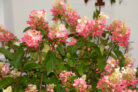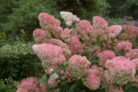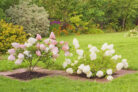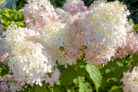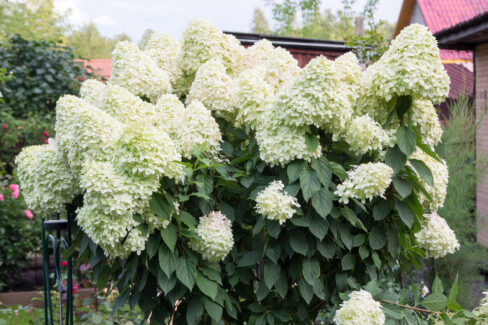
Peegee hydrangeas (Panicle hydrangeas) are usually such reliable bloomers, showing off those gorgeous, lush flower heads year after year. But every now and then, you might find your plant looking a little bare or not blooming at all. If your hydrangea is being shy, it’s time to do a little detective work to figure out what’s going on.
Why Your Hydrangea Might Not Be Blooming
There are quite a few factors that play into flower production, and usually, it comes down to a little tweak needed in your care routine. Here are the most common culprits:
- The wrong location
- Soil issues
- Pruning mistakes
- The plant is still too young
- Nutrient deficiency
Finding the Right Spot
Panicle hydrangeas really love a partially shaded spot in the garden. If they get too much harsh afternoon sun, those delicate leaves and blooms can actually get scorched. On the flip side, if they’re stuck in deep shade, they won’t get enough light to trigger flower growth. If yours is in a pot, it’s an easy fix—just move it! For plants in the ground, it’s a bit trickier. You might need to trim back overhanging branches from nearby trees to let more light in. But if a wall or a tall fence is blocking the sun, you might need to consider transplanting it to a sunnier home.
All About the Soil
These plants are hungry for nutrient-rich, loamy, and well-draining soil. They also prefer things a bit on the acidic side, with an ideal pH of around 5.5. If you’re planting in containers, rhododendron or azalea soil is a fantastic choice. A pro tip: mix some fallen, wet walnut leaves into the soil in the fall to create a great mulch. Keep in mind that these hydrangeas aren’t big fans of lime. To keep them happy, try to water them with rainwater whenever possible rather than straight from the tap.
Pruning Mistakes
Panicle hydrangeas do need a little annual haircut to stay healthy, but be careful! Going too heavy with a radical pruning in the fall can cost you your flowers for the next season. It’s much better to gently thin the plant out. If your hydrangea has gotten way too big, try shortening it bit by bit over several years rather than all at once. This keeps the plant “motivated” to bloom. I always recommend waiting until spring to snip off last year’s dead blooms—that way, you can see the new buds starting to form and make sure you don’t accidentally cut them off.
Give the Youngsters Time
If you just put your hydrangea in the ground, give it some grace! Newly planted hydrangeas need time to get their roots established in their new home. It’s totally normal for them to skip the flower show during their first year while they focus on settling in.
Nutrient Deficiencies
If your hydrangea isn’t blooming, it might just be hungry. This happens if the soil is poor or if the plant hasn’t been fed enough. Panicle hydrangeas need regular feeding to look their best. A mix of organic mulch and mineral fertilizer works wonders. Just make sure your fertilizer has plenty of phosphorus—that’s the “secret sauce” that really encourages those big, beautiful blooms.