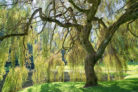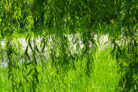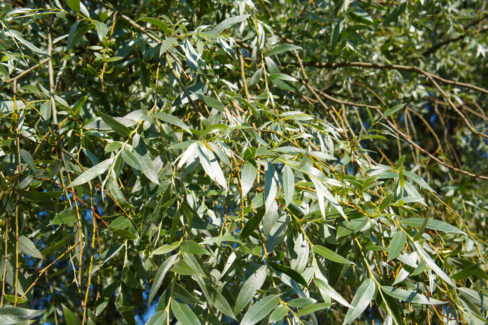
If you’re looking for a real showstopper for your backyard, look no further than the White Willow. This majestic tree actually earned the title of “Tree of the Year” back in 1999, and it’s easy to see why. With its lush, full canopy and impressive height, it’s a total standout in any landscape.
Matte Green with a Silvery Glow
The White Willow (or Salix alba, if you want to get technical) is arguably one of the most beautiful members of the willow family. There’s a reason so many gardeners choose this specific variety when they want a focal point for their property.
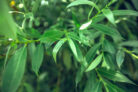
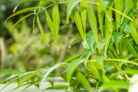
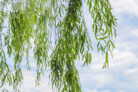
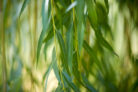
The leaves are elegantly long and slender, but the real magic is in the texture. Both the tops and bottoms of the leaves are covered in fine, silky hairs. This gives the matte green foliage a gorgeous silvery shimmer—which is exactly how the tree got its name! If you look closely at the edges, you’ll also notice tiny serrations that look a bit like a miniature saw blade.
Leaf Cheat Sheet:
- Length: approx. 4 inches
- Width: approx. 0.8 inches
- Stem: 0.2 inches
- Edges: Finely serrated
- Arrangement: Alternate
- Top side: Dark green
- Underside: Matte grey-green
A Few Leafy Surprises
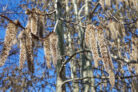
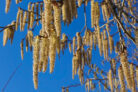
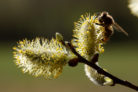
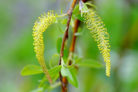
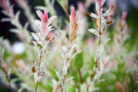
One of the coolest things about these leaves is that they have tiny glands along the edges. During the warmer months, they release a subtle fragrance that adds a lovely, sensory vibe to your garden. The tree also produces blossoms that look a little different depending on whether the tree is male or female. Come autumn, the whole canopy turns a vibrant yellow, giving you a spectacular fall display. Just keep in mind that besides raking up those golden leaves, you’ll want to stay on top of pruning your White Willow at the right time.
Did You Know?
Back in the day, people actually used White Willow leaves to dye wool! They transfer a beautiful, natural green hue to the fabric. If you have one in your yard, you can totally try this DIY project yourself. It’s a fantastic, eco-friendly way to color yarn without having to deal with harsh chemicals or synthetic dyes.