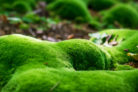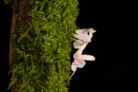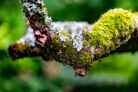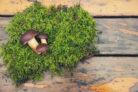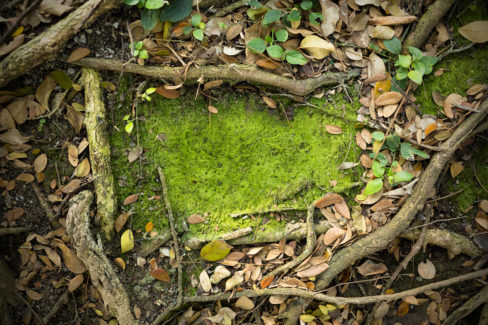
Did you know there are over 25,000 different species of moss worldwide? To the untrained eye, they might all look like a simple green carpet, but once you get up close, a whole new world of variety opens up. Identifying specific types takes a little practice, but it’s a rewarding hobby for any nature lover!
More Than 25,000 Species
With over 25,000 moss species scattered across the globe, there is plenty to explore. Some of the most common varieties you’ll run into include:
- Common Haircap Moss
- Silvery Bryum
- Common Liverwort
- Pincushion Moss
- Electrified Cat’s Tail Moss (yes, that’s really the name!)
Key Ways to Tell Them Apart
Generally speaking, all mosses fall into one of three main categories:
- Hornworts
- Mosses (True Mosses)
- Liverworts
When you’re trying to figure out exactly what you’re looking at, keep an eye on these specific details:
- Location: Where is it growing? Note the soil type and how much light it gets.
- Growth Habit: Check the growth pattern—how tall is it and how densely does it grow?
- Color: Look closely at the shade of green (or silver, or red!).
- Spore Capsules: The shape and size of the little capsules (sporophytes) are a huge giveaway.
The Right Gear for the Job
If you want to get serious about identification, you’ll need a few basic tools. Here’s what I recommend keeping in your field bag:
- A small pocket microscope or a high-powered magnifying glass (a 10x loupe is perfect).
- A reliable field guide or a plant ID app that specializes in bryophytes.
- For the real pros: A “dichotomous key” for mosses to help you narrow down species step-by-step.
How to Identify Moss at Home
Sometimes it’s easier to do your detective work at a desk rather than out in the woods. If you want to bring a sample home, follow these steps to keep the plant happy:
- Use your fingers—or better yet, a sharp knife—to gently lift a small patch of moss from the edge of a clump.
- Try to grab a sample that includes the spore capsules, as these make identification much easier.
- Place your sample in a paper bag or a folded tissue. Avoid plastic bags! Moisture builds up fast in plastic, which can lead to mold.
Try to get your sample home within two hours so it doesn’t dry out. Since mosses don’t have traditional roots, they can lose moisture quickly. If your specimen looks a little wilted when you get back, just give it a quick mist of water to perk it right up!