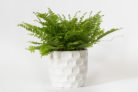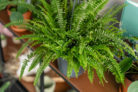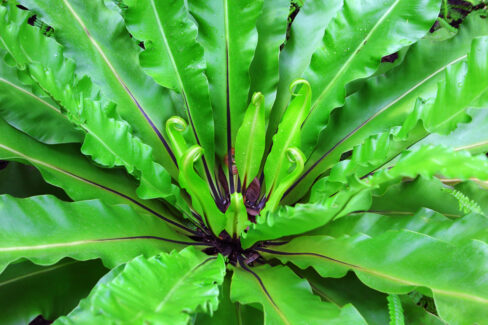
Ferns are easily some of the most popular houseplants out there. You’ve probably seen them popping up all over your Instagram feed, especially tucked away in cozy kitchens or steamy bathrooms. When it comes to picking out a fern for your own home, the sheer variety can be a bit overwhelming. Honestly, trying to pinpoint the exact species can feel like a mission impossible sometimes!
So Many Ferns, So Little Time
There is a massive world of ferns out there. We’re talking about 12,000 different species worldwide, with around 170 found across Europe. Because there are so many, identifying a specific variety can be tricky even for the pros. However, when we look at the common “indoor” varieties, there are a few key features that can help you tell them apart.
The Fan-Favorite Indoor Ferns
If you’re looking to add some greenery to your space, these are the most popular indoor ferns you’ll likely run into:
- Bird’s Nest Fern
- Staghorn Fern
- Boston Fern (Sword Fern)
- Holly Fern
- Hard Fern (Deer Fern)
- Blue Star Fern
- Maidenhair Fern
What Do They All Have in Common?
Even though they look different, all indoor ferns belong to a group called vascular cryptogams. In plain English? They don’t have flowers or seeds. Instead, they reproduce via spores, which you’ll usually find as little brown dots on the underside of their leaves. And while their shapes vary wildly, they almost all share that classic, lush green color.
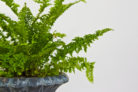
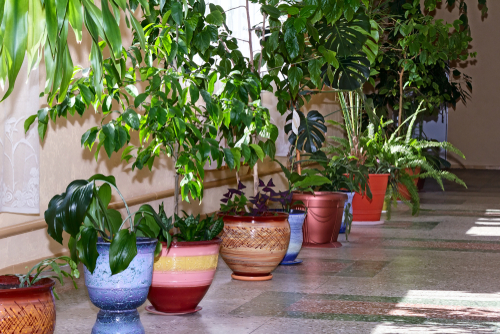
Another big thing they have in common is their “happy place.” Most ferns thrive in spots that are slightly damp with partial to full shade. This is exactly why they’re the MVP of bathroom plants—they love that tropical, humid vibe! If you’re bringing one home, aim for a shady, humid corner and you’ll be off to a great start regardless of the species.
It’s All in the Fronds
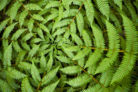
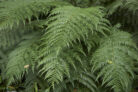
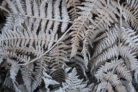
The easiest way to tell your ferns apart is by looking at their leaves, which we gardeners call “fronds.” This is where they really show their personality! Some have stems while others don’t; some are feathery and delicate (pinnate), while others are sword-shaped or made up of tiny, intricate segments.
A Quick Safety Note: Ferns and Toxicity
Here’s something really important to keep in mind: ferns are generally toxic. The level of toxicity varies—some are just mildly irritating while others are much stronger—but as a rule of thumb, they aren’t “snack-friendly.” If you have curious toddlers or pets like cats and dogs, you might want to keep your ferns on a high shelf or skip them altogether. Ingesting the leaves can lead to nasty symptoms like nausea or vomiting. Stay safe while you grow!