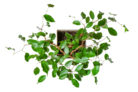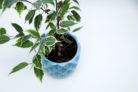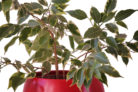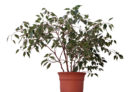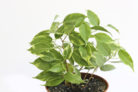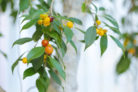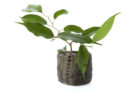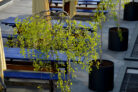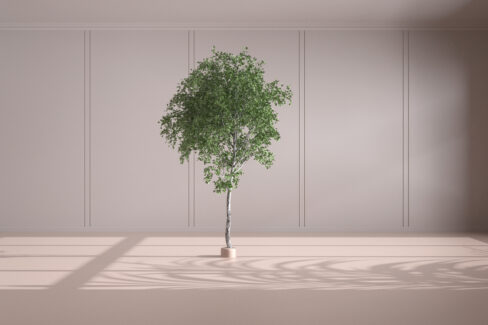
Give a birch tree a large pot and a sunny spot on the balcony, and it’ll happily act as a “mini-garden.” But moving one indoors permanently? That might seem like a giant leap for a forest tree. However, some adventurous plant lovers have taken the plunge, and surprisingly, the results are actually pretty great!
It’s all about the location
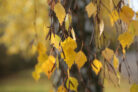
Birch trees are incredibly flexible and can adapt to some tough living conditions. But there’s one thing they absolutely cannot live without: light, light, and more light. If you’re thinking about bringing one inside, it has to be in a room flooded with sunshine. A lack of light will quickly lead to yellow leaves and leaf drop, which ruins the tree’s look in no time—not to mention its overall health. When it comes to lighting, don’t try to cut corners.
How do you get an “indoor” birch?
You won’t usually find trees labeled as “indoor birches” at the local garden center. You might occasionally find birches trained as bonsai, but all that expert pruning comes with a hefty price tag. The easiest way to get started is to buy a young sapling from a nursery. Or, if you’re feeling extra patient, you can propagate your own from seeds or cuttings. This way, you can shape the crown exactly how you want it right from the start.
Keeping your tree “pint-sized”
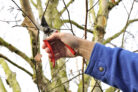
The second big challenge is keeping the tree small. In the wild, birches are famous for their rapid growth, especially when they’re young. If you let the tree grow wild at first, it’ll be much harder to tame later on. Keep in mind that birches should only be pruned in the fall. Avoid pruning during the growing season, as the sap flow is so strong that the tree will literally drip or “bleed” excessively. You can also control the size of the crown by limiting the root space. Start with a small pot and only increase the size slightly each year until the tree reaches your desired height.
Pro Tip:
Don’t try to stunt the tree’s growth by starving it of nutrients or water. That’s a recipe for disaster. Birches are especially sensitive to drying out and will die off quickly without enough moisture.
Key care tips
- Repot into fresh soil every spring.
- Prune in the fall.
- Keep the soil consistently moist.
If you want to go the extra mile and grow your birch as a true bonsai, you’ll need to master specific pruning and wiring techniques. It’s a good idea to do a little homework on those methods before you dive in!