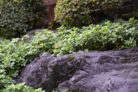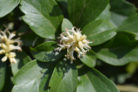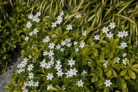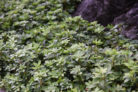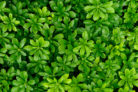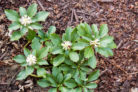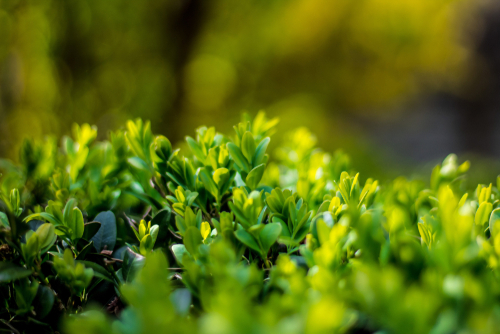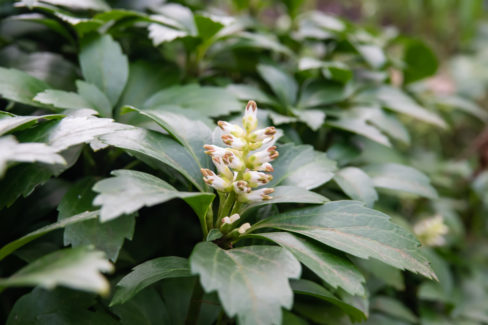
This striking ground cover is a go-to favorite for anyone looking for a lush, evergreen look. Japanese Spurge (or *Pachysandra terminalis*) absolutely thrives in those tricky shady spots—think under dense shrubs, beneath large trees, or tucked away in the shadows of tall hedges. It’s the perfect solution for greening up dark corners where other sun-loving plants just won’t cut it. However, there is a catch: Pachysandra is toxic, so you’ll want to handle it with care.
A Beautiful but Toxic Ground Cover
Pachysandra belongs to the Boxwood family, and just like its cousins, every single part of this plant is poisonous to both humans and pets. The biggest concern? Those little white berries that appear in the fall—they can look pretty tempting to curious kids. The plant contains several steroid alkaloids, including:
- Pachystermine A
- Pachysamine A
If someone (or a pet) accidentally eats parts of the plant, especially those autumn berries, it can lead to some nasty symptoms, such as:
- Vomiting
- Nausea
- Diarrhea
- Stomach cramps
The severity of the reaction usually depends on how much was ingested. Swallowing a tiny bit—like a single berry—might not cause a major emergency, but it’s still important to act fast. Make sure any remaining plant bits are spat out immediately. A good first-aid step is to drink a little water and take some activated charcoal to help bind the toxins in the stomach. To be safe, you should always call a doctor or poison control.
For our furry friends, the symptoms are pretty similar to ours. Since it’s hard to tell exactly how much your pet might have nibbled, a trip to the vet is a must. As a general rule of thumb, about 5 grams of plant material per kilogram of body weight can be fatal for dogs or cats.
Finding the Right Spot
If you’re planning to add Japanese Spurge to your garden, keep its toxicity in mind when choosing a location. Ideally, you’ll want to plant it in an area that isn’t a primary play zone for kids or pets. Aside from safety, the key to a happy Pachysandra is shade. While it’s tough enough to handle harsh urban environments and pollution, it really can’t stand the direct sun. Keep it in the shadows, and it’ll reward you with a beautiful green carpet!