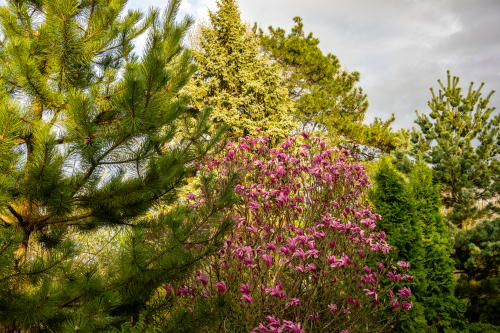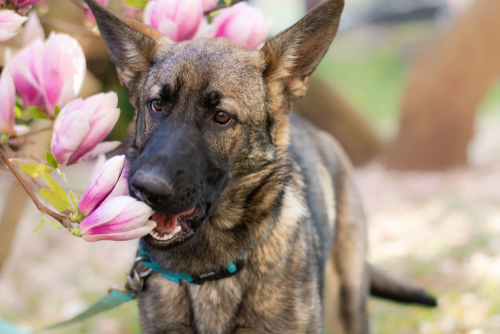
If you’re worried about whether your beautiful magnolias are dangerous, I’ve got some good news for you: they are actually much less toxic than many other popular garden plants! Not every part of the tree carries the same risk, and generally speaking, they are far more of a concern for small pets than they are for us humans.
Mild Symptoms at Most
The specific compound found in magnolias is an alkaloid called magnoflorine. It’s most concentrated in the bark of the tree. If ingested in large amounts, it can cause skin or mucosal irritation (like rashes or mouth sores) and, in some cases, cramping. Now, let’s be real—most people aren’t out there snacking on tree bark! However, you’ll want to keep a close eye on your cats or rabbits to make sure they aren’t using your magnolia as a chew toy.
Leaves and Flowers are Safe
While you might find trace amounts of magnoflorine in the leaves and petals, it’s not enough to cause any poisoning. In fact, magnolia blossoms have been used in traditional Chinese medicine for centuries as a healing plant. The buds, in particular, are often praised for their calming properties.
Skip the Fruit
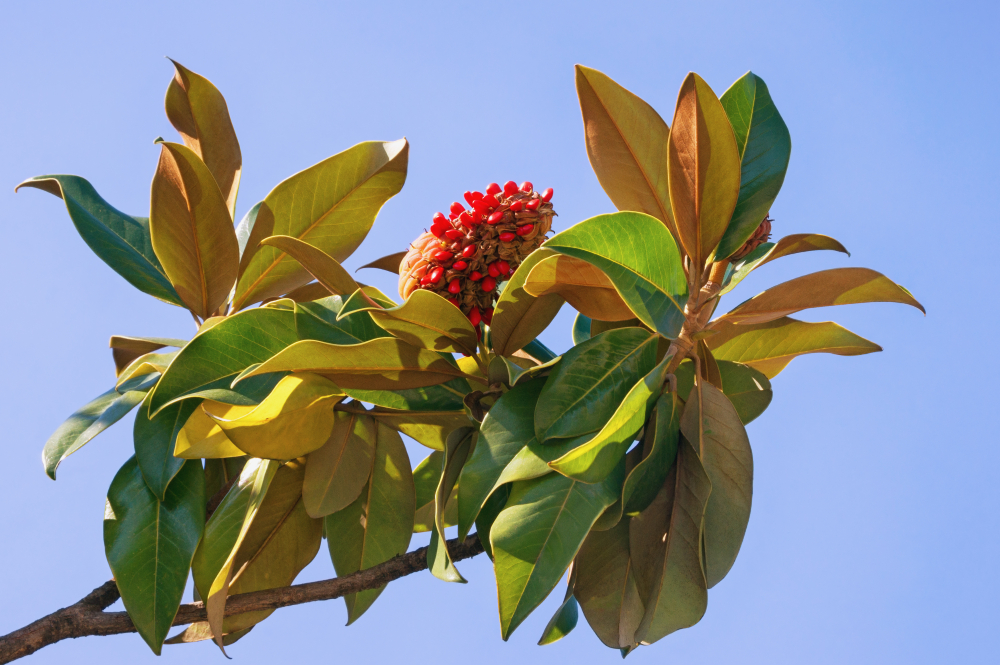
You’ll want to avoid eating the magnolia fruit. The seeds inside are where that magnoflorine alkaloid is most present. Interestingly, birds can eat them without any trouble at all! Just a heads-up: this “mostly safe” rule applies mainly to original, wild species. Man-made hybrids often have a much higher concentration of toxins. Even if you aren’t eating them, the fruits are still great for harvesting seeds and they look fantastic in your garden during the fall.
To wrap it up, here is the lowdown on magnolia toxicity:
- Generally safe for humans.
- Keep small pets from nibbling on the bark or seeds.
- Flowers and leaves are non-toxic.