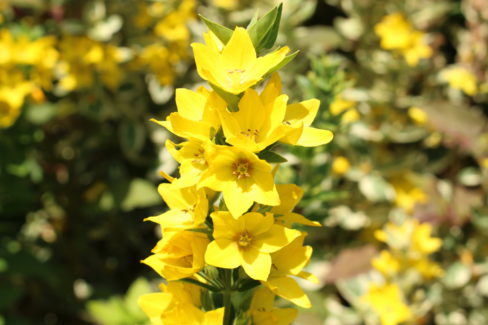
Loosely known as Loosestrife (botanical name *Lysimachia*), this perennial is a tough, vigorous grower that naturally loves damp spots. Once it gets settled in, it spreads on its own through underground runners called rhizomes. While it’s a beautiful addition to the garden, you’ll want to plant it with a plan—and while it’s technically edible in small amounts, you don’t want to overdo it.
Fun Facts About Loosestrife
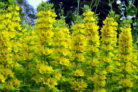
This eye-catching plant can be tucked into your garden anytime between March and October. It thrives in full sun to partial shade, reaching heights of up to 30 inches. From June through August, it puts on a show with golden-yellow, funnel-shaped flowers arranged in upright spikes.
Loosestrife loves rich, organic soil in flower beds or along the edges of wooded areas. Because it craves moisture, it’s the perfect choice for planting near a pond or a backyard stream. It grows tall and slender, looking a bit like an evening primrose. While the yellow variety is the most common, there are several stunning types to choose from:
- Yellow Loosestrife (Garden Loosestrife): The classic golden bloomer.
- Gooseneck Loosestrife: Features elegant, arching white flower spikes.
- Purple Loosestrife: Boasts deep red-purple blossoms.
- Fringed Loosestrife: Offers a gorgeous contrast with reddish-brown leaves and yellow flowers.
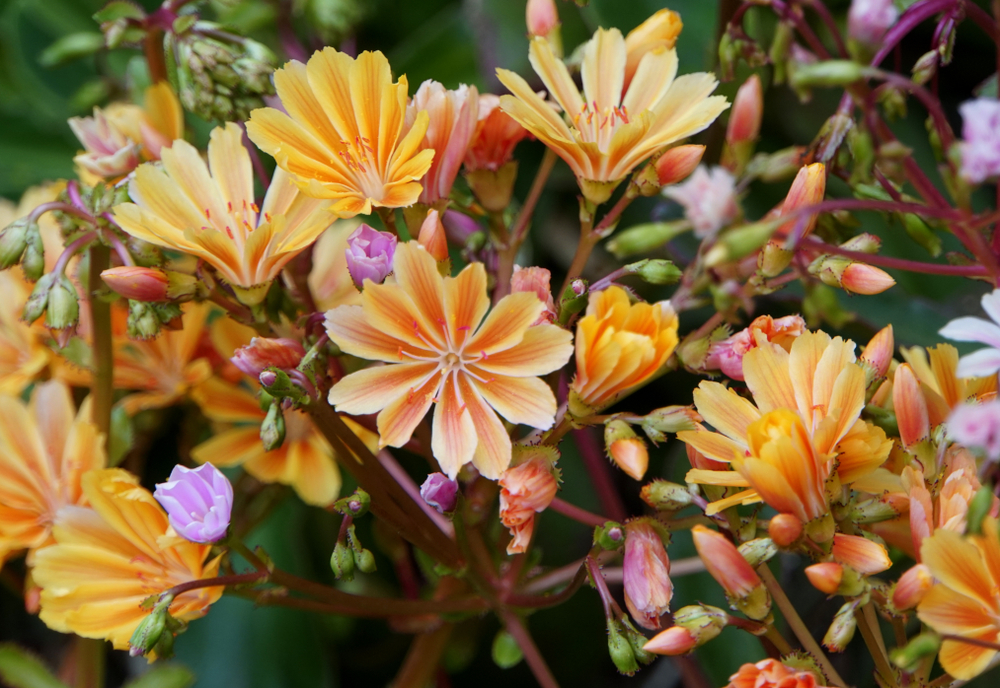
- Tufted Loosestrife: Produces spherical yellow flower clusters—perfect for the water’s edge.
The best part? All these varieties are cold-hardy and will come back year after year.
Is Loosestrife Toxic?
Back in the day, this plant was used to treat inflammation and even as a dye for fabrics. Today, the flowers are sometimes used as an edible garnish to dress up salads or fancy plates. However, moderation is key! Eating too much can lead to mild poisoning symptoms, such as:
- Irritated mucous membranes
- Nausea
- Digestive upset
Also, a quick heads-up for pet owners: keep it away from small critters like hamsters, guinea pigs, and rabbits, as it’s not safe for them to munch on.
Growing Tips
Loosestrife is happiest in a sunny spot with soil that stays consistently moist. Just a fair warning: if it likes where it’s planted, it *will* spread—fast! If you want to keep it from taking over your entire garden, I highly recommend using a root barrier when you plant it to keep those runners in check.
If you’re worried about it spreading in the ground, Loosestrife actually makes a fantastic container plant. Just use high-quality potting soil, find a sunny spot, and keep the water coming. Give it a good soak regularly; unlike many plants, Loosestrife doesn’t mind having “wet feet” at all!