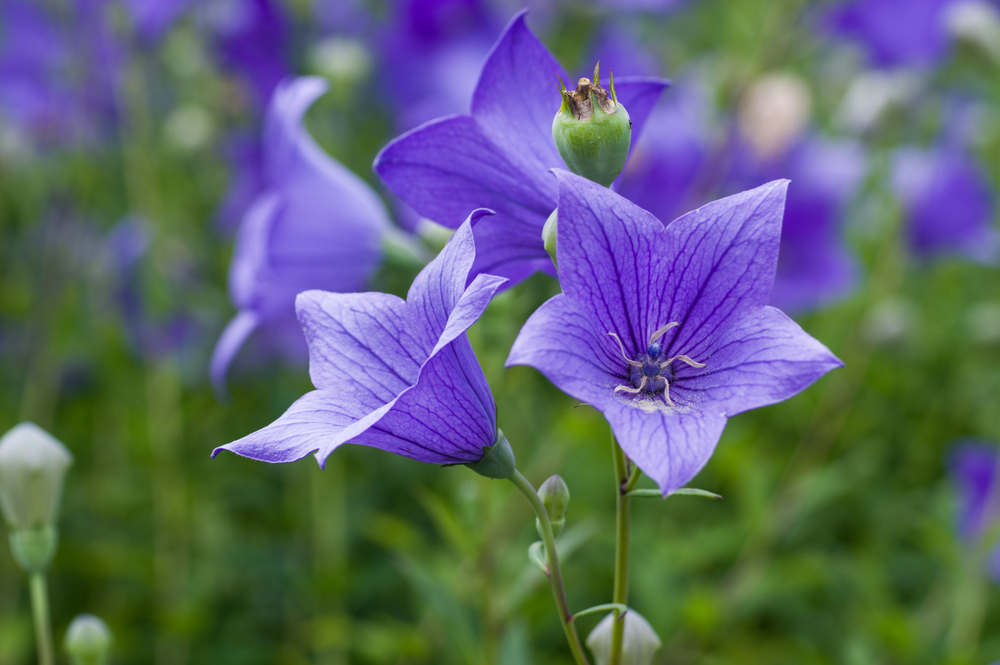
Botanically speaking, the clematis belongs to the buttercup family. Like many of its cousins, the sap of this climbing beauty contains a toxin called protoanemonin. But how worried should you be, and how can you stay safe while gardening?
The Golden Rule: Wear Gloves!
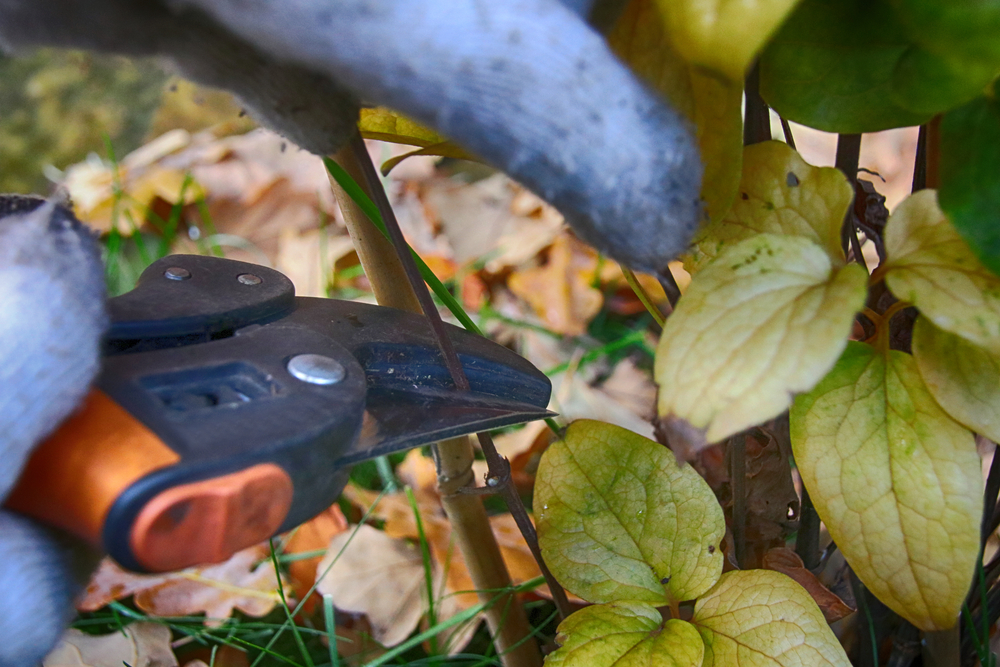
Since most of us aren’t planning on snacking on our vines, the biggest risk for adults is skin contact with the sap. If it gets on your skin, it can cause some pretty painful and nasty inflammation. That’s why you should always pull on a pair of sturdy gardening gloves before working with your clematis. This is especially important when it’s time for pruning. In fact, when you’re cutting back those stems, it’s a smart move to pop on some safety glasses, too.
Cover Up
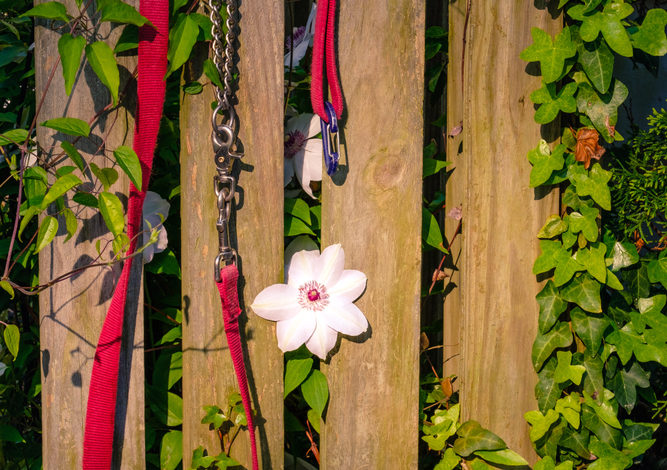
It’s not just your hands that need protection; you’ll want to minimize any exposed skin. Long-sleeved shirts and long pants are your best friends here. If it’s a sweltering summer day, you might want to save the clematis maintenance for a cooler morning so you don’t mind the extra layers. When it comes to your furry friends, try to plant your clematis in a spot where they won’t be tempted to brush against it or nibble on it.
Understanding the Risks
Beyond skin irritation, coming into contact with protoanemonin can also irritate your respiratory tract. If a small child or a pet happens to ingest any part of the plant, it can lead to internal poisoning. The toxin is particularly hard on the digestive system and the kidneys. If ingestion occurs, try to induce vomiting if possible and seek medical or veterinary help immediately.
Quick Safety Checklist:
- Avoid direct skin contact with the sap.
- Always wear gloves and long sleeves when gardening.
- Contact a doctor or vet immediately if any part of the plant is swallowed.