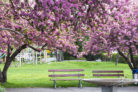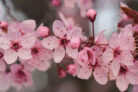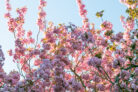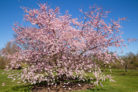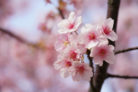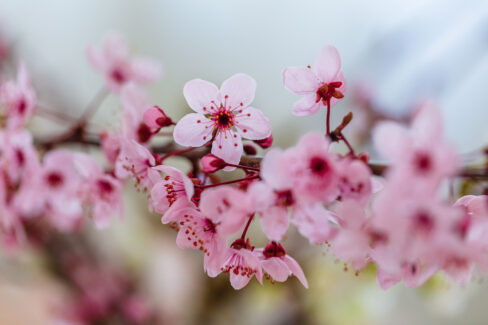
With its stunning, vibrant pink blossoms, the Japanese Flowering Cherry is a total showstopper. If you’re thinking about adding one of these beauties to your yard, you’ll want to get things right from day one. Trust me, a little prep goes a long way in ensuring you get that spectacular floral display (and even some edible fruit!) for years to come. Here are my top tips for getting your tree off to a great start.
Finding the Perfect Spot
Most people plant a Japanese Flowering Cherry for one reason: those incredible flowers. If you want a tree that’s absolutely dripping in blossoms, you’ve got to give it full sun. That’s where it’ll produce the most flowers. You’ll also want to pick a spot that’s a bit sheltered from harsh winds. While they can handle partial shade, you’ll definitely see fewer flowers if they’re stuck in the dark. Think of partial shade as a “plan B” only if you can provide a nice, protected microclimate.
Keep in mind that these trees love warmth and really hate “cold feet” (wet, chilly soil). Soggy spots are an open invitation for fungus and other tree diseases. Also, give your young tree plenty of elbow room! Don’t plant it too close to walls, fences, or your neighbor’s property line. Some varieties can soar up to 40 feet tall and develop a massive, spreading canopy as they age.
Soil Requirements
The good news? Japanese Flowering Cherries aren’t particularly picky about their soil. They can handle anything from heavy clay to sandy dirt without much fuss.
Ideally, though, you’re looking for soil that is:
- Deep and well-draining
- Loamy or sandy-loam
- Rich in organic matter (humus)
- Moderately nutrient-rich (they especially love a bit of phosphorus)
How to Plant Your Cherry Tree
Planting one of these isn’t rocket science. They look fantastic as a standalone “specimen” tree or planted in groups for a real “wow” factor. Just a heads-up: these aren’t really suited for life in a container or pot; they want to be in the ground.
When you’re ready to plant, dig a hole about 2 feet deep and roughly 3 feet by 3 feet wide. This gives the roots plenty of loose soil to stretch out into.
The Best Time to Plant
If you want to time it perfectly, aim for late October to mid-November. Planting in the fall gives the tree enough time to establish its roots before the winter chill sets in, so it can save up all its energy for those spring blooms. If needed, you can also do a little thinning or pruning in the fall to keep the shape nice.
A Little Something Extra
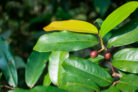
Did you know the fruit of the Japanese Flowering Cherry is actually edible? Now, don’t expect them to be as sugary-sweet as the Bing cherries you find at the grocery store, but they’re definitely worth a taste!