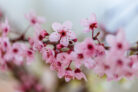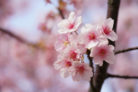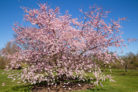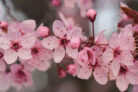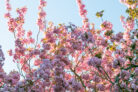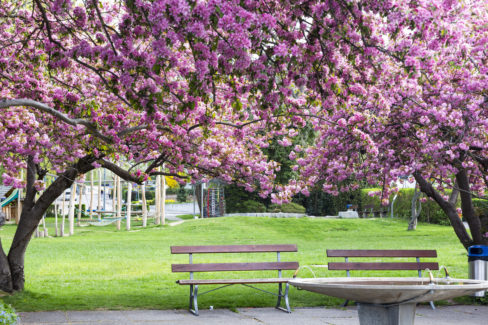
The Japanese Flowering Cherry—or Sakura—is famous for its breathtaking, cloud-like display of blossoms. Those clusters of pink petals can turn any backyard into a little slice of paradise. To make sure you actually get that explosion of color every spring, these trees need a bit of a specialized care routine. Here’s everything you need to know about caring for this exotic beauty and when you can expect to see those stunning blooms.
How to Plant Your Japanese Flowering Cherry
To give your tree the best start in life, try to get it in the ground during the fall while the soil is still warm.
Keep these tips in mind when planting:
- Pick a spot with plenty of sunshine.
- These trees love soil that is fresh, moist, and deep.
- Prep the area by breaking up the soil until it’s nice and crumbly, making sure to clear out any weeds or large stones.
- Dig your hole just deep enough so the root ball sits level with the soil surface.
- Mix some manure, bark humus, or well-aged compost into the soil you dug out.
- Place the root ball in the center of the hole and loosen the burlap or fabric.
- Drive a support stake into the ground next to the tree, being careful not to poke the root ball.
- Fill the hole back up with your enriched soil mix.
- Tamp the soil down firmly and give it a good soak.
A little “planting prune” goes a long way in helping your tree branch out beautifully. Shorten the young branches by about a third. You can also give the roots a very light trim (no more than an inch!) to encourage new growth.
Since these trees take a little time to build up their winter hardiness, make sure to provide some extra winter protection during their first year in the ground.
General Care Tips
Beyond the initial planting, keeping your cherry tree happy comes down to balancing water, nutrients, and the occasional haircut.
Here’s the game plan:
- Water regularly. A good rule of thumb is to water when the top inch or so of soil feels dry.
- In March, treat your tree to some organic or mineral-organic fertilizer.
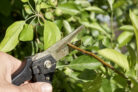
- Do a light “shape-up” after the blossoms fade. Trim back spent branches to just above a few healthy buds.
- If the tree needs a more heavy-duty pruning, wait until the dormant season between November and February.
- Thin out the crown every year in late winter to keep the air flowing.
The Perfect Spot
To get that lush “floral coat,” your Japanese Cherry needs a sunny location. We’re talking at least 6 hours of direct sunlight every day. A warm, sheltered spot will help ensure healthy growth. Make sure the soil is loose and deep enough for the roots to stretch out.
Spacing Matters
Every variety has its own space requirements, so check your specific tag before you dig. Some of these majestic trees can reach 30 feet tall and 25 feet wide—they really look their best when planted as a “specimen” tree with plenty of room to shine.
Bloom Time
The blooming season generally runs from April through June. However, keep in mind that the flashier the hybrid, the shorter the show. The most intense pink varieties often have the shortest blooming windows!
Pruning Your Japanese Flowering Cherry
To keep those blossoms coming back year after year, you’ll want to master the art of pruning:
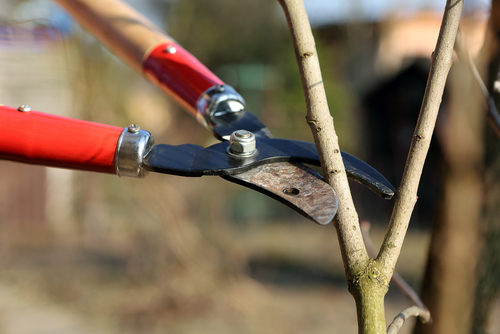
- Starting in the third year, prune back spent branches right after they flower, leaving just a few buds.
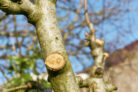
- Make your cuts about 1/8th of an inch above a “sleeping eye” (that little bump under the bark).
- In late winter, thin out the crown and remove any dead wood right at the branch collar.
- When cutting thick branches, always start with an undercut from the bottom before sawing through from the top to prevent the bark from stripping.
If you have a grafted hybrid, keep an eye out for “suckers” (wild shoots growing from the base). Snip or pull these off immediately so they don’t take over the fancy variety.
Watering Needs
This springtime beauty is a bit of a Goldilocks—it doesn’t like the soil too dry or too soggy. Water moderately whenever the surface feels dry, directing the water straight to the root zone. Once the blooming is over, try to keep the soil consistently, lightly moist.
Fertilizing
Wake your tree up in March with a dose of organic fertilizer like compost, horn meal, or bark humus. Adding a fresh layer of mulch (like leaves or grass clippings) helps keep the soil warm and moist while slowly releasing micronutrients to the roots.
Winter Care
Once established, Japanese Flowering Cherries are quite hardy (down to about -4°F). Mature trees don’t usually need help, but young trees in their first year should be tucked in with a layer of mulch or compost over the root zone to protect them from the deep freeze.
Propagation
Since most of these are grafted hybrids, propagating them at home is a bit of a challenge even for green thumbs. The pros graft a delicate “scion” (the flowering part) onto a hardy “rootstock.” If you grow from a cutting, you lose that extra-tough root system.
If you’re feeling adventurous, here’s how to try it:
- In summer, take a 6-inch cutting from a non-flowering shoot.
- Strip the leaves off the bottom half.
- Plant it in a small pot with “lean” (low nutrient) potting soil.
- Water it and cover the whole thing with a plastic bag to create a mini greenhouse.
- Keep it in a sheltered, semi-shady spot. Once you see new growth, you know it has rooted!
- Remove the plastic and keep caring for the little guy until it’s ready to go into a sunny spot in the garden by fall.
Is the Japanese Flowering Cherry Toxic?
Good news: this tree isn’t dangerous for your family or pets. Both the fruits and the petals are actually edible.
That said, the “cherries” on these ornamental trees don’t taste great—they’re usually pretty bitter. You’re better off leaving them for the birds, who will absolutely love the snack!
Popular Varieties to Look For
If you’re looking to add one to your yard, these are the fan favorites:
- Kanzan: The superstar of the group, famous for its massive, fluffy pink blossoms.
- Kiku-Shidare-Zakura: A weeping variety with branches that drape elegantly toward the ground under the weight of pink flowers.
- Amanogawa: Perfect for smaller spaces, this one grows in a slim, columnar shape and gets covered in carnation-like flowers in May and June.