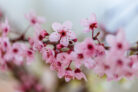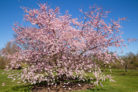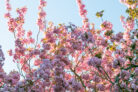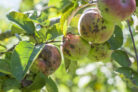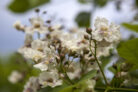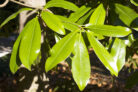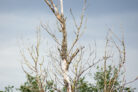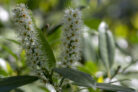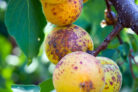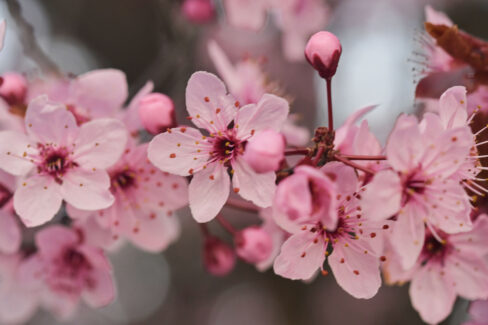
We all look forward to that stunning explosion of pink every spring, but it’s a total heartbreak when those beautiful Japanese Flowering Cherry blossoms start dropping way too early. If your tree is shedding its petals prematurely, chances are you’re dealing with a plant disease. Usually, you’ll start seeing other symptoms right alongside the falling flowers. Don’t worry, though—I’ve got the scoop on how to spot these issues and get your tree back to its gorgeous self.
What Causes These Issues?
For the most part, the Japanese Flowering Cherry is a pretty tough cookie. However, if the soil is low on nutrients, the tree is stressed, or it’s planted in a spot it doesn’t like, it becomes a magnet for trouble. Plus, a sick tree won’t produce any fruit.
The best defense is a good offense! Make sure you have a solid plan in place when planting your tree to prevent these headaches down the road.
Shot Hole Disease
One of the most common culprits is Shot Hole Disease, caused by a fungus called *Stigmina carpophila*. This little fungus can turn into a real nightmare fast.
It starts with tiny light-colored spots on the leaves that turn reddish after a few days. Eventually, the centers fall out, leaving holes with red borders, and the leaves drop off. The foliage ends up looking like it was hit by a shotgun—hence the name!
This usually pops up because of a few “oopsies” in care or simply because the weather has been way too wet.
Here’s your action plan:
- Strip off all the infected leaves.
- Prune back any affected branches until you hit healthy wood.
- Burn the clippings or toss them in the trash. (Whatever you do, keep them out of your compost pile!)
- To prevent a comeback, add a layer of mulch and try planting some garlic or onions nearby as natural deterrents.
Monilia Tip Blight
If you notice blossoms dying and shriveling up right during or after the blooming period, you’re likely looking at Monilia. Once the flowers are gone, this fungus moves right into the wood and the rest of the leaves.
How to handle it:
- Cut back all infected twigs about 6 inches into the healthy wood.
- Burn the debris or throw it in the garbage.
Other Potential Problems
While Shot Hole and Monilia are the “usual suspects,” there are a few other diseases that might try to crash the party:
- Bacterial Canker
- European Pear Rust (or Canker)
- Gnomonia Leaf Spot
- Scab
Pro Tips for a Healthy Tree
To keep the risk of disease as low as possible, make sure to thin out your Japanese Flowering Cherry regularly. By keeping the canopy open, you improve airflow, which helps rainwater evaporate faster. Since fungi love damp, stagnant air, a little “breathing room” goes a long way in keeping your tree healthy!