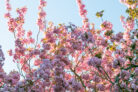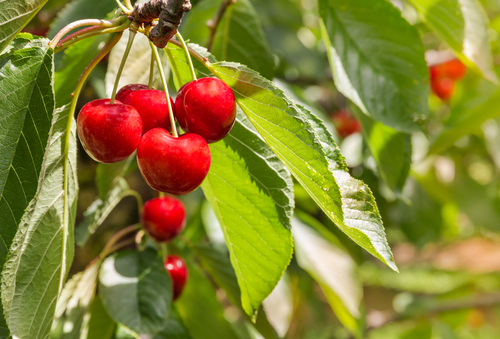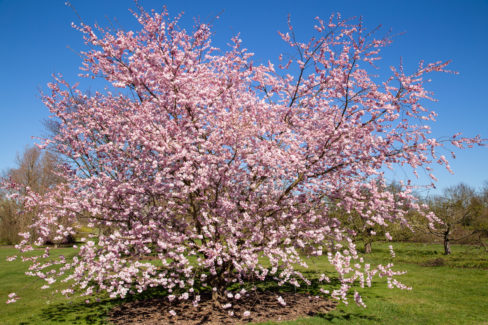
Japanese Flowering Cherries come in so many stunning varieties, and honestly, there’s one for every yard. Depending on the cultivar, you might see narrow, columnar trees, massive beauties that reach 40 feet tall, or delicate weeping varieties with branches that drape toward the ground. But no matter which variety you fall in love with, a little routine maintenance goes a long way in keeping that picture-perfect look. Here are my top tips for pruning your cherry tree like a pro.
When should you actually prune?
The good news? You don’t *have* to prune a Japanese Flowering Cherry every year. They are pretty low-maintenance, but there are a few situations where you’ll want to grab your shears:
- Your tree has outgrown its space and is getting a bit too crowded.
- It’s starting to lean against your house or creep over the neighbor’s fence.
- The tree is getting older and has lost its signature shape.
- You notice dead, damaged, or diseased branches.
- It’s just not blooming as vibrantly as it used to.
- Growth has slowed down to a crawl.
- You aren’t seeing any more edible fruit (on the varieties that produce them).
How to thin out your tree
Once the blooming season is over, it’s a great time to give your tree a “thinning cut” to keep it healthy. I usually recommend waiting until about three years after planting before you do your first real pruning.
If you miss the post-bloom window, you can thin it out in the winter, but generally, spring is the sweet spot for these trees.
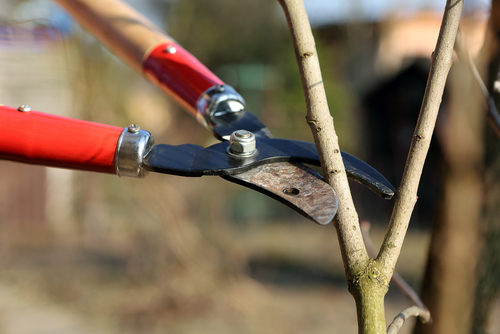
When thinning, your goal is to remove any branches that are crossing or rubbing against each other. You should also trim away “suckers” (wild shoots at the base) and water sprouts (those thin, vertical shoots that pop up on branches). Pro tip: Don’t just chop a branch in half. Always cut the wood back flush to the main trunk or a larger branch using sharp, clean shears.
Shaping and heavy pruning
Beyond the annual thinning, you might want to do a more structural “heading back” or shaping every now and then. You won’t really need to do this with young trees, as Japanese Cherries naturally grow into a pretty harmonious shape on their own.
If you want to rejuvenate an older tree, aim to do your heavy pruning between June and July. You’ll want a good pair of loppers or a pruning saw and a sturdy ladder. This is also a great time to grab a friend to help—it makes the job much safer and faster!
A few extra tips
If you end up making any large cuts, I highly recommend using a wound sealer. This helps protect your tree from diseases and pests. Think of it like a bandage; open “wounds” on a tree are an easy entry point for pathogens, so sealing them up keeps your cherry tree happy and healthy for years to come.