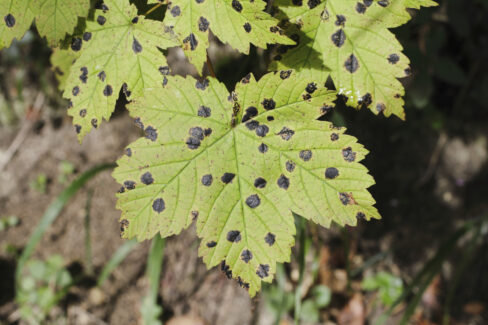
Maple trees are stunning, but they can be magnets for various fungal diseases. Because there are so many different types of fungi out there, the symptoms can look pretty different depending on what’s attacking your tree. Whether you’re seeing weird spots, powdery coatings, strange bumps, or peeling bark, identifying the culprit is the first step toward fixing the problem. Once you know what you’re dealing with, you can take the right steps to help your tree.
Common Fungal Diseases in Maples
Here are the most common fungal issues you might run into with your maple:
- Tar Spot (Maple Rhytisma)
- Maple Canker
- Powdery Mildew
- Coral Spot
- Sooty Bark Disease
- Verticillium Wilt
Tar Spot
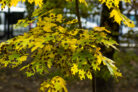
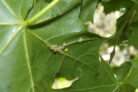
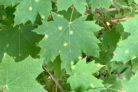
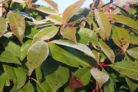
If you notice shiny, slightly raised black spots with yellow borders on the leaves, you’re likely looking at Tar Spot. Unfortunately, there’s no direct “cure” or spray to get rid of it once it’s there. The best thing you can do is rake up and dispose of fallen leaves immediately to prevent the spores from sticking around and reinfecting the tree next year.
Maple Canker
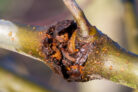
A maple can actually live for many years with the typical growths caused by this incurable fungus. However, because it often leads to trunk rot, the tree can become unstable, leaning to one side or even falling over unexpectedly. It’s important to have the tree removed before it becomes a safety hazard to people or property.
Powdery Mildew
If you have Field Maple hedges suffering from powdery mildew, regular pruning usually helps keep the infection under control. You can even give them a second trim in August to help out. For standalone maple trees, you’ll want to treat recurring mildew because it weakens the tree and makes it an easy target for other diseases and aphids. Here’s a natural way to fight back:
- Mix 1 quart of water with about 4 ounces of fresh cow’s milk.
- Add 1 teaspoon of dish soap.
- Pour the mixture into a spray bottle.
- Spray the tree thoroughly until it’s dripping wet.
- Repeat every few days until that white coating disappears.
Pro Tip:
You can use this mix as a preventative measure! Spray your maple regularly from the time it buds until September—once a week at first, then every two weeks.
Coral Spot
This fungus shows up in the fall as tiny, pinhead-sized, bright reddish-pink fruiting bodies. It usually targets maples that are already stressed or weakened. Early warning signs include unusual bark discoloration and wilting, weak shoots.
Since there aren’t any effective fungicides for this, your best bet is to cut off the food source. Prune infected branches back into healthy wood in September or early October.
Sooty Bark Disease
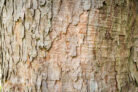
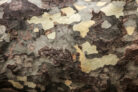
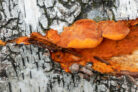
Keep an eye out for dark coatings on the bark, slimy spots on the trunk, dying branches, and large patches of peeling bark. Over time, this disease will unfortunately kill the maple. Be extremely careful when handling or removing a sick tree; the fungal spores can cause severe allergic reactions in the lungs if inhaled.
The best defense is a good offense: keep your trees well-watered, as healthy trees are much more resistant.
Verticillium Wilt
Most maples are shallow-rooted, meaning their roots sit just below the surface. If these roots get damaged, this fungus can sneak in and clog the tree’s “plumbing.” You’ll see parts of the canopy die off bit by bit. Sadly, there is no cure. Because it’s highly contagious to other plants, the tree should be removed and disposed of. It’s also a good idea to replace the surrounding soil to clear out any spores lingering in the garden.