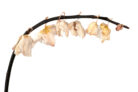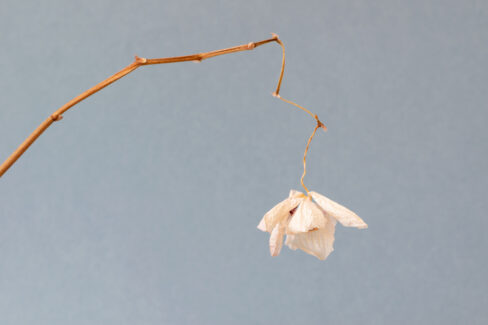
When it comes to orchid care, most “oops” moments happen during watering. It’s a bit of a Goldilocks situation: you don’t want too much, but you definitely don’t want too little. Both extremes actually show up with similar symptoms and can be equally tough on these exotic beauties. But here’s the good news—if your orchid has dried out, there’s a good chance you can bring it back to life!
Getting the Water Balance Just Right
Because orchids originate from tropical and subtropical rainforests, they are big fans of high humidity. Their aerial roots are designed to pull moisture right out of the air to keep the rest of the plant hydrated.
If you’re new to the orchid world, watering is usually the steepest learning curve. It’s easy to accidentally overwater them or, on the flip side, leave them bone-dry for too long. Both scenarios can damage the roots, which eventually takes a toll on the whole plant.
Signs Your Orchid is Thirsty
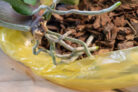
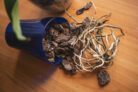
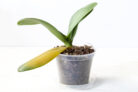
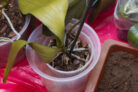
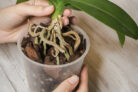
It can actually be tricky to tell the difference between a plant that’s drowning and one that’s parched. Both soggy roots and a dried-out root ball result in yellow or brown, shriveled leaves and dropping flowers. To play detective, you’ll need to check the substrate. Dried-out roots look light gray, shriveled, and brittle. Overwatered roots, however, usually look black and feel mushy.
When Drying Out is Actually Normal
Don’t panic if you see a little bit of brown! Sometimes, parts of the orchid drying out is just a natural part of its life cycle. This is usually the case for:
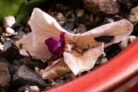
- Faded flowers after the blooming period ends.
- The very bottom leaves drying out as a new “heart leaf” begins to grow from the center.
How to Save a Dried-Out Orchid
As long as the entire root system hasn’t turned to dust, you can usually save your plant with some quick action. The best trick? Give it a “bath.” Submerge the nursery pot in a container of lukewarm water until the air bubbles stop rising. This ensures the substrate and roots are fully saturated.
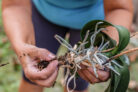
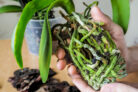
If your orchid is in really rough shape, it’s time to repot it into fresh orchid bark. Before you put it in its new home, soak the root ball in water until the healthy roots turn a vibrant green. Use a sharp, clean knife to snip off any roots that stay brown and brittle—those are dead and won’t be coming back, so it’s best to clear them out to make room for new growth.