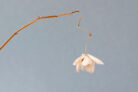
Let’s be real: those exotic orchids aren’t always going to be covered in stunning blooms. It’s totally normal for them to take a “nap” for a few weeks or even months. But if your plant seems stuck in a permanent state of laziness, don’t worry! You can perk it right back up with a few simple tricks.
Time for a Repotting Session
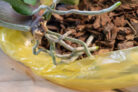
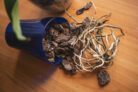
Giving your orchid a fresh start in a new pot with high-quality substrate can work wonders. Generally, you’ll want to repot your orchid every two to three years. A major red flag that it’s time? When you see tons of aerial roots trying to make a break for it over the rim or through the drainage holes.
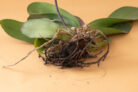
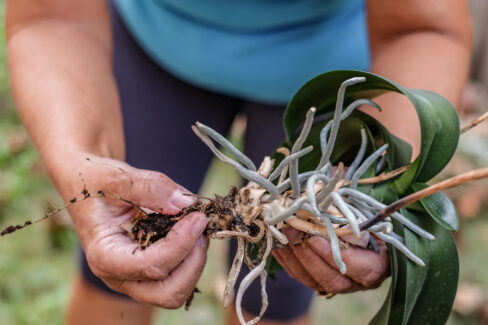
- Gently take the orchid out of its pot and shake off any old substrate clinging to the roots.
- Give the roots a quick misting or a short soak in water. This makes it way easier to tell the healthy, vibrant green roots apart from the shriveled, dead ones.
- Grab a clean, sharp knife and trim away any old, dried-out, or mushy roots.
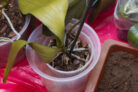
When you’re ready to move into the new pot, start with a layer of expanded clay pebbles for drainage, then settle the orchid in with fresh orchid mix. If you’re working with a Phalaenopsis, hold off on a full soak immediately after repotting. Instead, just give the leaves and aerial roots a regular misting with lukewarm water.
Post-Repotting TLC
Moving your orchid into fresh substrate gives it a nutrient boost and a clean environment, but the way you care for it afterward is what really triggers those new blooms. Here’s what you need to keep in mind:
- Find a bright, warm spot for your plant—east or west-facing windows are usually the “sweet spot.”
- Mist the leaves and aerial roots daily with lukewarm water to keep the humidity levels high.
- For your regular watering routine, give the plant a good soak once a week.
- Every two to four weeks, add some liquid orchid fertilizer to your soaking water to keep it fed.
The “Cold Shock” Trick
If your Phalaenopsis is still being stubborn and won’t grow, you might need to give it a little “wake-up call” with a cold shock. Move the orchid to a spot that’s at least 10°F (5°C) cooler than its usual home, and cut back significantly on watering and fertilizer. Once you see new growth peeking out after a few weeks, you can move it back to its favorite warm spot and resume your normal routine.