Exotic orchids have become one of the most popular houseplants around, and it’s easy to see why! But to keep these tropical beauties looking their best, you’ve got to get the care just right. If you’ve got an orchid that looks like it’s on its deathbed due to a little accidental neglect, don’t toss it out just yet—you might be able to bring it back to life with a few pro tips.
Saving an Orchid with Root Rot
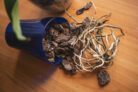
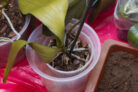
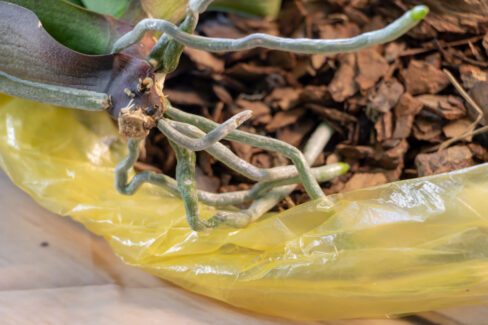
The most common mistake I see is improper watering. While these exotic plants hate being bone-dry for too long, they absolutely cannot stand “wet feet.” Sitting in stagnant water leads to root rot fast, which can kill the whole plant. If you’ve overwatered your orchid, here’s your rescue plan:
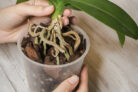
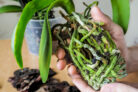
- Take the plant out of its pot and gently shake off all the old substrate.
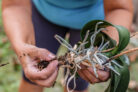
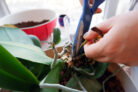
- Grab a sharp, sterilized knife or garden shears and snip away any rotten roots. You’ll recognize the bad ones easily—they’re mushy to the touch and usually black or dark brown.
If there aren’t enough healthy green roots left to support the plant, you’ll need to encourage some new growth. Try placing the orchid in a glass with a little filtered rainwater so that just the tips of any remaining green roots touch the water. Keep it in a warm, bright spot. If the plant still has some fight left in it, you’ll see new roots starting to sprout over the next few weeks.
Once it has a decent root system again, repot it into a fresh orchid mix and go back to your regular care routine. To make sure you don’t run into the same problem again, add a layer of expanded clay pebbles at the bottom of the pot for better drainage.
Rescuing a Leafless Orchid
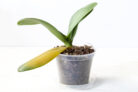
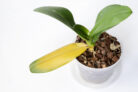
Some orchid species naturally drop their leaves as part of their growth cycle. However, if yours isn’t one of those types and it’s suddenly dropping all its leaves, you’re likely looking at a serious care blunder. But don’t panic! There’s still hope if you act fast.
- If the orchid still has a flower spike, cut it off. This allows the plant to divert all its energy into survival rather than trying to bloom.
- Move the orchid to a warm, bright windowsill.
- Mist it daily with lukewarm water and give it a little fertilizer every two to three weeks.
If the orchid is resilient enough, it will start growing new parts in a few weeks or months. Sometimes, if the main plant is too far gone, it might produce a “keiki”—a little baby offset—as a last-ditch effort to keep its legacy alive. Once that baby has its own air roots and leaves, you can pot it up separately. It’s basically a genetic clone of your original plant!
Scoring Bargain Orchids
Once you’ve mastered the art of nursing orchids back to health, keep an eye out for the “clearance” rack at your local grocery store or garden center. Often, these plants have been overwatered or neglected by staff and are marked down to a fraction of the price. With a little patience and TLC, you can turn those sad-looking bargains into stunning, show-stopping plants!