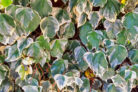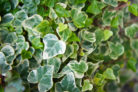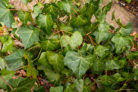
Out in the garden, English Ivy is a tough-as-nails survivor with deep roots. It can handle a little neglect or bad weather without breaking a sweat. But when you bring ivy indoors, it’s a different story. Stuck in a small pot, it loses that outdoor resilience and can go downhill fast if things aren’t just right. If you don’t jump in to help early, it might be game over for your leafy friend.
How to Save Dried-Out Ivy
Most plant parents tend to be a little too generous with the watering can, but sometimes life gets in the way. Whether it’s a scorching sunny windowsill or a long vacation, you might come home to find your ivy looking totally dried out. Don’t give up hope just yet! If there’s still a spark of life in those vines, here’s how to stage a rescue:
- Fill a bucket with room-temperature water.
- Submerge the entire pot until the bubbles stop.
- Wait until the root ball is completely soaked through.
- Let it drain thoroughly before putting it back.
- Consider moving it to a spot with less intense direct sun.
- Give the plant a good, hard prune to remove dead weight.
- Boost its recovery with some liquid fertilizer.
Keep the soil lightly moist but not soggy. Be patient—it might take a few days or even weeks to see new green shoots popping up.
Rescuing Ivy from Root Rot
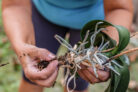
Ivy absolutely hates “wet feet.” If you’re watering too often and the pot doesn’t drain well, water sits at the bottom and suffocates the plant. Before you know it, the roots start to rot. You’ll notice brown leaves or mushy, limp vines. If this happens, get the plant out of its pot immediately to check the roots. If everything is brown and slimy, it’s likely a goner. But if you still see firm, healthy roots, try this:
- Gently shake off the old, soggy soil.
- Rinse the roots under lukewarm water.
- Snip away any mushy or rotten parts.
- Repot the ivy into fresh, well-draining soil.
- Use a brand-new pot or give the old one a serious scrubbing first.
- Trim back the vines a bit so the smaller root system doesn’t have to work so hard.
Dealing with Pests
Dry indoor air is like an invitation for pests. Since aphids and spider mites are tiny and love to hide on the undersides of leaves, an infestation can get out of hand before you even notice it.
Start by cutting off any heavily infested vines and giving the rest of the plant a good “shower” to wash away as many bugs as possible. Afterward, spray the leaves with a mild soapy water solution. To keep them from coming back, try using a humidifier or misting your ivy regularly.
Pro Tip:
If you’re dealing with spider mites, try the “sauna” trick. After showering the plant, wrap the foliage in a clear plastic bag for about a week. The high humidity trapped inside will wipe out the mites.
Budget-Friendly Replacements
The great thing about ivy is that the price is usually very low, so replacing a lost plant won’t break the bank. However, if you have a healthy plant left (or a friend who does), it’s incredibly easy to propagate your own using cuttings.
Pro Tip:
If your ivy is beyond saving, dispose of it in the regular trash immediately. Don’t put it in the compost or leave it near your other houseplants, or you might risk spreading pests to your entire indoor jungle!