Because of their tropical roots, orchids crave high humidity to really thrive. That said, watering is usually where most plant parents run into trouble. If an orchid gets completely bone-dry, it can be pretty tough to bring back to life, but don’t give up hope just yet!
Dried flowers and stems are totally normal
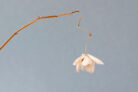
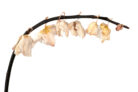
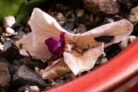
First off, don’t panic if you see dried-up flowers after the blooming season ends. Old flowers wilting and falling off is just part of the natural cycle, and the same goes for old stems. Your orchid is just resting up before it starts growing new shoots and blooms again.
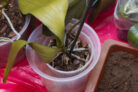
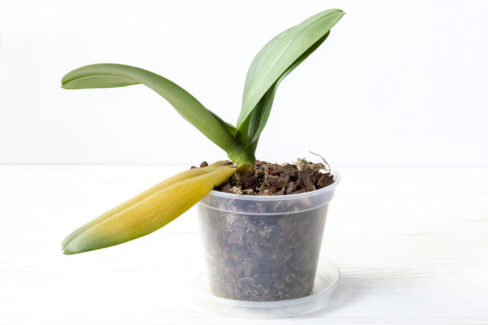
You might also notice that when a new heart leaf starts peeking out from the center, the very bottom leaf will slowly dry out. This is also totally normal! Once it’s completely shriveled, you can just gently pluck it off.
Here’s how to handle those dry bits:
- Let flowers and leaves fall off on their own, or give them a tiny tug if they’re loose.
- Only prune back stems once they are completely brown and dried out.
The battle between drought and root rot
The biggest secret to orchid care is getting the watering just right. These exotic beauties hate being too dry, but they hate “wet feet” (standing water) even more. While an orchid usually handles a dry spell better than being drowned in stagnant water, you really want to avoid both extremes if you can.
Signs your orchid is thirsty
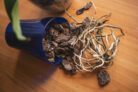
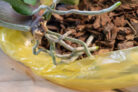
Interestingly, an overwatered orchid and a dried-out orchid can look surprisingly similar. Both might show yellow or brown leaves. To figure out what’s going on, take a close look at the roots and the potting mix. If everything feels crispy and the roots look silvery-white or pale, your orchid is definitely thirsty.
How to rescue a dried-out orchid
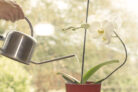
If all signs point to dehydration, you need to rehydrate that plant ASAP. The best method is to soak the inner pot in a basin of lukewarm, filtered water for a few hours. This gives the roots and the bark mix plenty of time to soak up every drop they need.
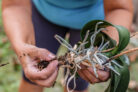
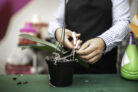
If your orchid is severely dehydrated, it’s a good idea to repot it into fresh orchid bark. Before you put it in its new home, soak the root ball in room-temperature water. Any roots that turn green are still healthy! Use a sterilized knife to snip away any brown, mushy, or shriveled gray roots. Once it’s repotted, give your orchid some “me time” to recover before you start fertilizing it again.