You can’t exactly squeeze a handful of herbs like you would a lemon. If you want to get to that liquid gold, you need a method that really “wrings” them out efficiently. But it’s not just about the volume of juice you get; it’s about making sure all those healthy, powerhouse nutrients actually make it into your glass intact.
Skip the centrifugal and steam juicers!
Centrifugal juicers spin at incredibly high speeds, which generates a lot of heat. That heat is bad news for delicate nutrients, and the high speed pulls in oxygen, causing your juice to oxidize (and lose its freshness) way faster. Steam juicers are even worse for herbs because they get even hotter—definitely not what you want for your greens.
A slow juicer is the way to go
A slow juicer (also called a masticating juicer) uses a rotating screw or auger to slowly crush and press the herbs. Because it moves at a low speed, the temperature stays nice and cool. This solves both big problems: it preserves the nutrients and keeps oxygen out. Just a heads-up, though: not every slow juicer on the market is great at handling both fruit and leafy herbs. If you’re planning on juicing herbs regularly, look for a model specifically known for a high juice yield with greens.
Pro Tip:
You don’t necessarily need a fancy electric model. You can find manual stainless steel juicers that work great! They’re usually smaller, easier to tuck away in a cabinet, and get the job done beautifully.
The path to perfect juice
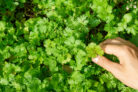
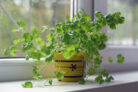
Always start with fresh, high-quality herbs. Ideally, you’re picking them from your own balcony herb garden or a dedicated herb bed in the backyard. Many varieties even do perfectly well right on your windowsill. Once you’ve harvested or bought your herbs, here’s what to do:
- Give the herbs a thorough rinse under running water.
- Remove any tough or woody stems.
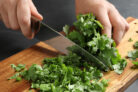
- Chop them up a bit if your juicer needs the help.
- Feed them into the slow juicer.
- Juice according to the manufacturer’s instructions.
Keep an eye on the pulp container while you work. Herbs are very fibrous, which can sometimes clog things up and require a quick mid-session cleaning. Give yourself a little extra time for the process—it’s worth the wait!
Drink up or store it (briefly)
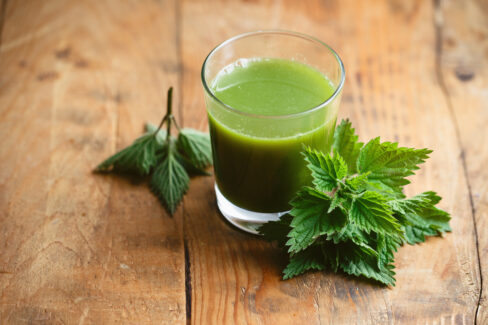
Fresh herb juice is best enjoyed immediately, whether you’re drinking it straight or tossing it into a smoothie. If you can’t use it right away, pour it into an airtight container and pop it in the fridge. Even when chilled, you’ll want to finish it off the same day to get the most out of it.